DRC: Tens of thousands flee fighting to overcrowded refugee camp in Burundi
Recent fighting in eastern Democratic Republic of the Congo (DRC) has pushed tens of thousands of people across the border into Burundi. More than 65,000 people have found refuge in Busuma camp, where living conditions remain extremely difficult.
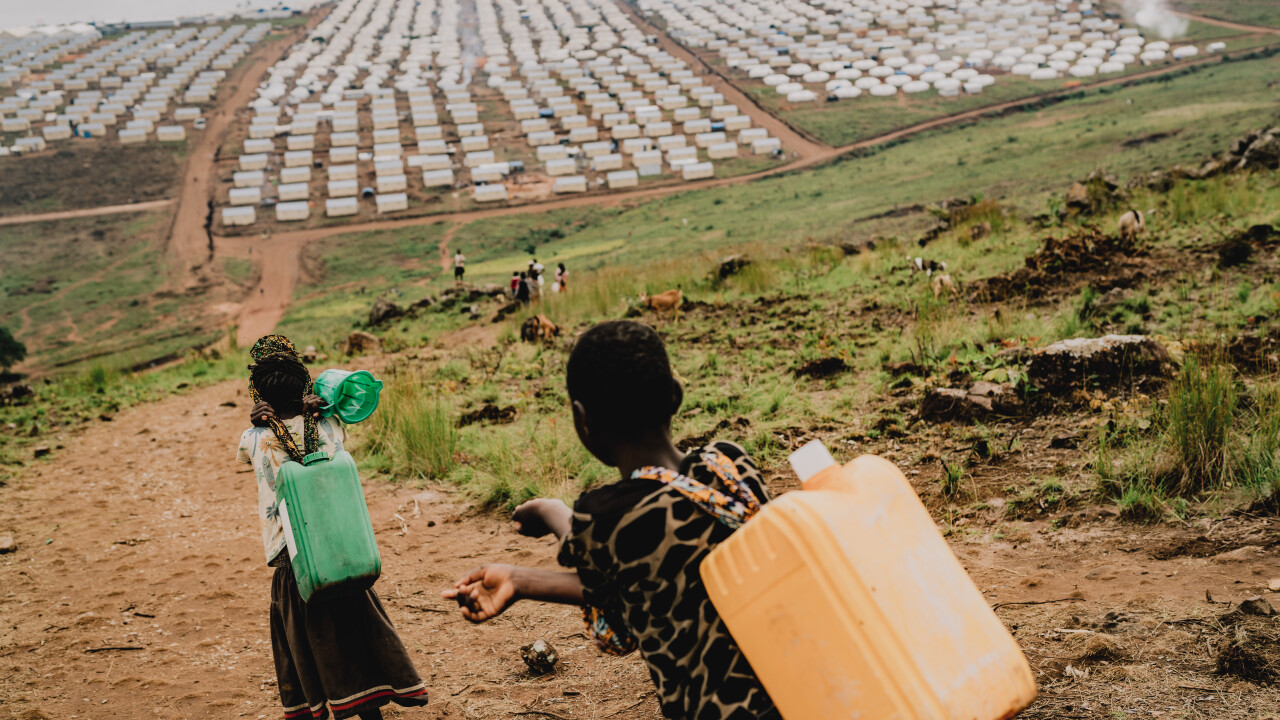
Hidden among dense forests in northern Burundi, the camp has rapidly expanded since December. Rows of makeshift shelters and tents now stretch across the hillsides, home to families who arrived with little more than they could carry.
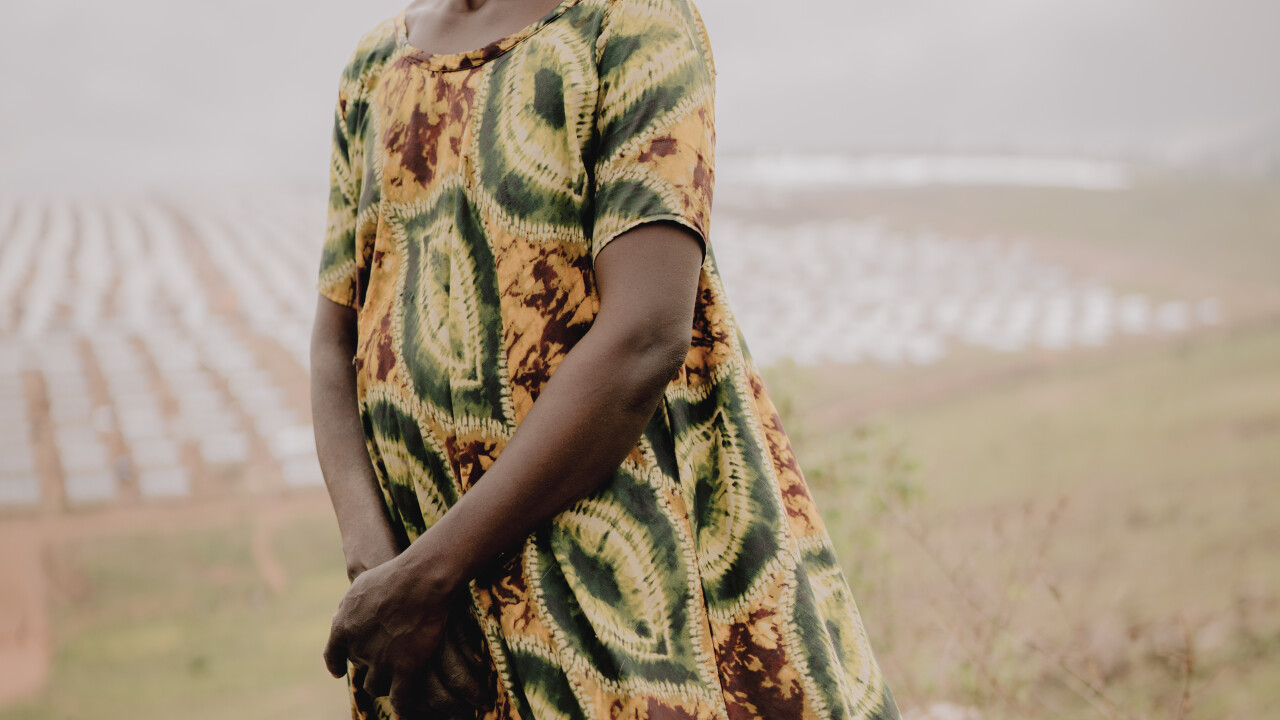
Esperance Sakina Hatari is from Mutarule, a village in the South Kivu. She arrived in December 2025 after fleeing violence in the DRC that forced more than half a million people to leave their homes.
She now spends her days making charcoal near the entrance of the camp, hoping to earn a little money.
“It’s not easy for us refugees because we left everything behind when we fled. We left with nothing. We came with our children, that’s all. Some of us have no food, no shelter and no blankets. We sleep on the ground, and the children are dying of cold and hunger,” said Esperance. “My husband and I got separated. He is there, and I am here alone with the children. Many families have been separated.”
Like Esperance and her children, many families arrived with almost nothing. Countless refugees still do not know the fate of relatives who remained in Congo.
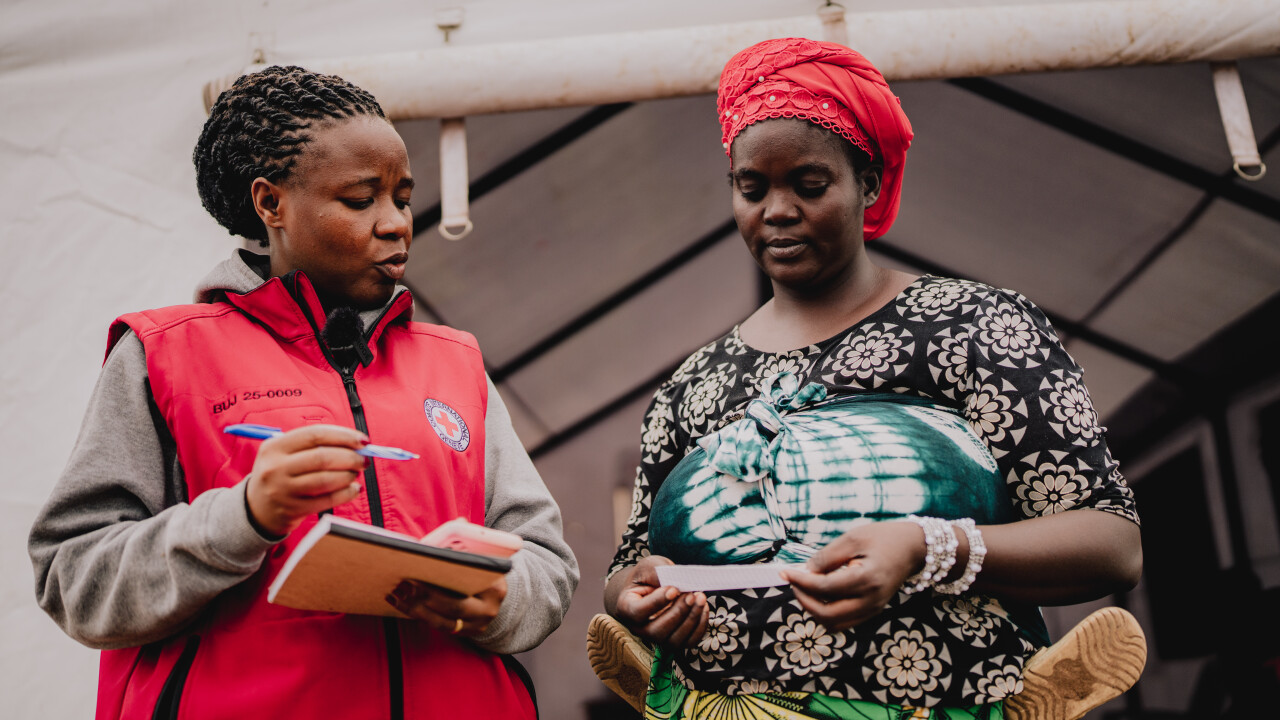
The International Committee of the Red Cross (ICRC) and volunteers from the Burundi Red Cross are working in the camp to help displaced families contact relatives and access basic connectivity services.
Noemie Niyongere and her ICRC team are helping families to reconnect with relatives who were separated during the fighting and displacement. Her team registers cases, coordinates with colleagues in the DRC and facilitates phone calls so families can hear from loved ones.
“Living conditions are not easy. Around two-thirds of people don't have shelter, which is truly deplorable. People suffer a lot when it rains or when there's too much sun. In terms of assistance, people receive very little compared to what they need,” said Noemie.
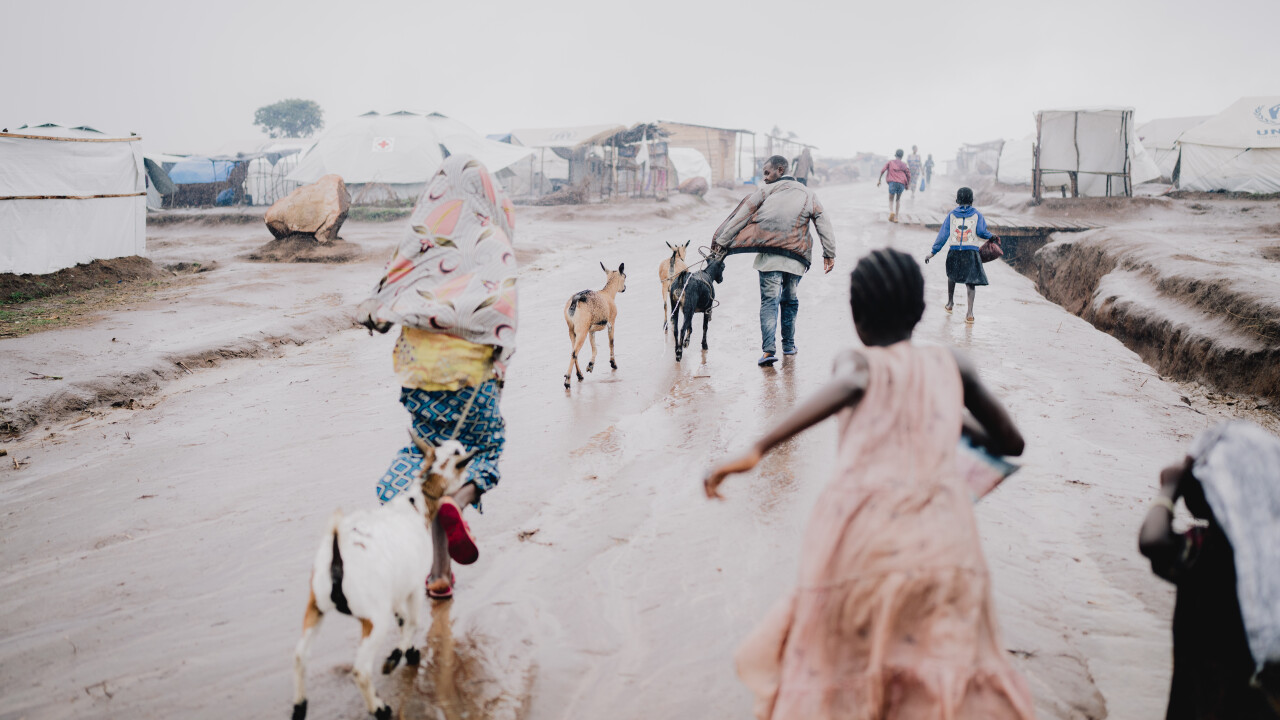
During a recent visit, an ICRC team witnessed refugees who had gathered by the connectivity centre to make phone calls suddenly rush back to their tents as heavy rain begins to fall across the camp.
Water quickly seeped through the plastic sheets that many families rely on for shelter. Thousands of refugees have almost no protection from the elements at all.
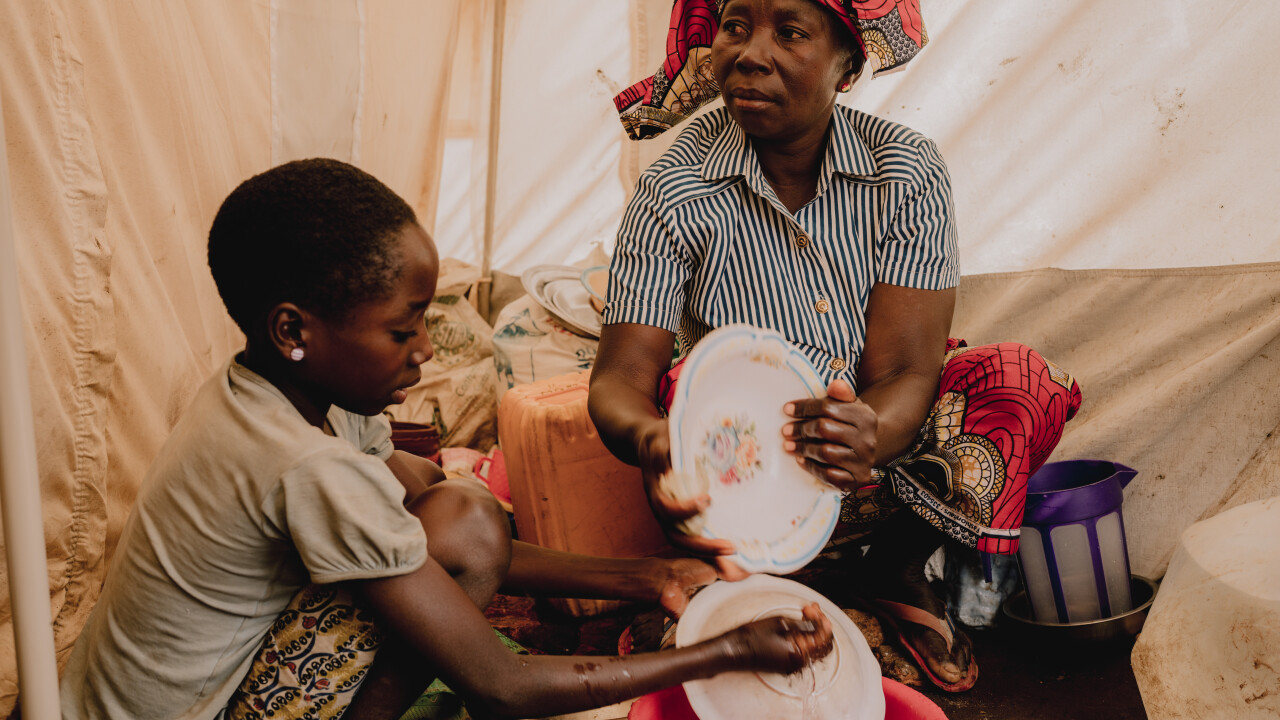
Access to safe water and sanitation remains a major challenge in the camp. Despite efforts by humanitarian organizations to increase water supply and build latrines, many refugees still have limited access to clean water and must sometimes walk long distances outside the camp to collect it.
Outside her shelter, Anastasie Cubwa watched families run to protect their few belongings from the rain. Like many here, she has already been displaced several times.
“We used to live in the Bwagiriza camp. We spent seven years there. We were tired of the difficult living conditions and decided to return home. The crisis took us by surprise when we arrived home,” said Anastasie. “We heard bombs. At first, we could only hear them in the distance and thought nothing would happen to us. But then the bombing moved closer. One bomb killed some people; another was dropped on a hill; and another landed behind the houses where we were. I took the children and we left.”
Now stranded in Busuma, Anastasie’s situation reflects a broader challenge.
The ICRC warns that as crises multiply around the world, funding for lesser-known emergencies is becoming increasingly scarce.
In 2025, among other activities, the ICRC:
- Facilitated almost 10,400 phone calls between refugees or asylum seekers with separated family members.
- Provided free internet access to more than 27,000 people to restore and maintain contact with their families.
- Registered 730 new cases of unaccompanied and separated minors.
- Located 119 persons and clarified their fate.
- Supported the exchange of 1,315 Red Cross messages between separated family members in Burundi and abroad.
- Distributed 2,000 household essential kits (including blankets, mats, soap, kitchen kits, mosquito nets and buckets) and 500 hygiene kits (including cans, soap, buckets, basins, water purification tablets and reusable sanitary towels).
- Donated five 10,000-litre bladders for drinking water and financed water trucking activities.
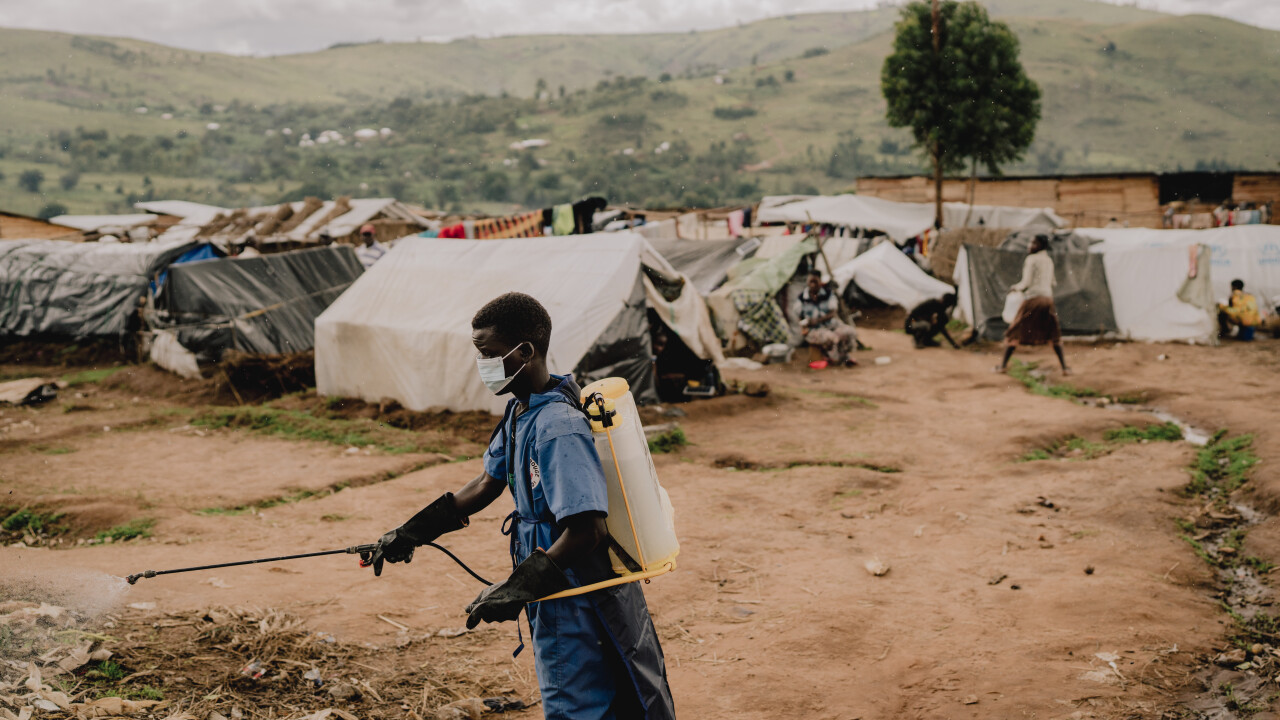
- Provided 120 sprayers, 120 personal protective equipment (PPE) kits and barrels of chlorine to support disinfection activities at the reception sites.
For further information, please contact:
Eleonore Asomani, ICRC Dakar, tel : +221 78 186 46 87, easomani@icrc.org
Mateo Jaramillo, ICRC Nairobi, tel : +254 716 897 265, mjaramillo@icrc.org
SHOTLIST
Length: 04:23
Location: Busuma camp, Burundi
Date Of Filming: March 05, 2026
Copyright: ICRC access all
On Screen Credit: ICRC written or logo
00:00:00 - 00:00:13
Various shots of Busuma camp
00:00:13 - 00:00:19
Esperance Sakina Hatari preparing a charcoal mound
Soundbite - Esperance Sakina Hatari :
00:00:19 - 00:00:43
It’s not easy for us refugees because we left everything behind when we fled. We left with nothing. We came with our children, that’s all. Some of us have no food, no shelter and no blankets. We sleep on the ground, and the children are dying of cold and hunger.
00:00:43 - 00:00:50
Various shots of people cutting firewood
Soundbite : Esperance Sakina Hatari
00:00:50 - 00:01:08
My husband and I got separated. He is there, and I am here alone with the children. Many families have been separated.
00:01:08 - 00:01:18
Various shots of a burial outside the Busuma camp
00:01:18 - 00:01:21
Medium shot of Busuma camp
00:01:21 - 00:01:33
Various shots of Anastasie Cubwa
Soundbite : Anastasie Cubwa
00:01:33 - 00:01:51
We used to live in the Bwagiriza camp. We spent seven years there. We were tired of the difficult living conditions and decided to return home. The crisis took us by surprise when we arrived home.
00:01:51 - 00:02:45
We heard bombs. At first, we could only hear them in the distance and thought nothing would happen to us. But then the bombing moved closer. One bomb killed some people; another was dropped on a hill; and another landed behind the houses where we were. I took the children and we left.
00:02:45 - 00:02:57
Various shots of ICRC’s Noemie Niyongere working at Busuma camp
Soundbite : Noemie Niyongere
00:02:57 - 00:03:25
Living conditions are not easy. Around two-thirds of people don't have a home, which is truly deplorable. People suffer a lot when it rains or when there's too much sun. In terms of assistance, people receive very little compared to what they need.
00:03:25 - 00:03:39
Various shots of ICRC’s Noemie Niyongere working at Busuma camp
00:03:39 - 00:03:50
Various shots of activities along a road at Busuma camp.
00:03:50 - 00:04:04
Various shots of activities at a market in Busuma camp.
00:04:04 - 00:04:23
Various shots of life during a rainstorm at Busuma camp.
XXX
ENDS
PHOTO CAPTIONS
All copyright: Hugh Kinsella Cunningham for the ICRC
HC106651
Burundi Red Cross workers responsible for disinfecting sites in the Busuma refugee camp.
Since early 2025, clashes have intensified in the eastern part of the Democratic Republic of the Congo, displacing hundreds of thousands of people across the region. Tens of thousands have fled to Burundi, where more than 80,000 Congolese refugees are seeking safety in overcrowded camps such as Busuma, Musenyi and Cishemere. This sudden influx has placed significant pressure on Burundi’s limited resources. The ICRC is working with the Burundi Red Cross Society to deliver humanitarian services, including water trucking and disinfection. Together, we are also helping families separated by the conflict to restore contact with their relatives.
5th March 2026, Busuma, Burundi
HC106132
ICRC staff member Noemie Niyongere assists Congolese refugee Annuarite Yamwaka at a connectivity centre. Annuarite fled fighting in Eastern Congo, and was separated from 3 of her children in the course of the displacement.
5th March 2026, Busuma, Burundi
HC105408
Anastasie Cubwa is a Congolese refugee living in the Busuma camp, with her husband Joseph and their children Maombi, Reheme, Solange and Janvier.
4th March 2026, Busuma, Burundi
HC104708
Esperance Sakina Hatari is from Mutarule, a village in the South Kivu. She arrived in December 2025 after fleeing violence in the DRC that forced more than half a million people to leave their homes.
She now spends her days making charcoal near the entrance of the camp, hoping to earn a little money.
4th March 2026, Busuma, Burundi
HC104616
Refugees transport supplies to the Busuma camp, home to Congolese communities who have fled conflict.
4th March 2026, Busuma, Burundi
HC105015
Congolese refugee Esperance Malikia walks with family and livestock in the Busuma camp.
4th March 2026, Busuma, Burundi