Afghanistan: ICRC team reaches remote communities affected by earthquake in Kunar
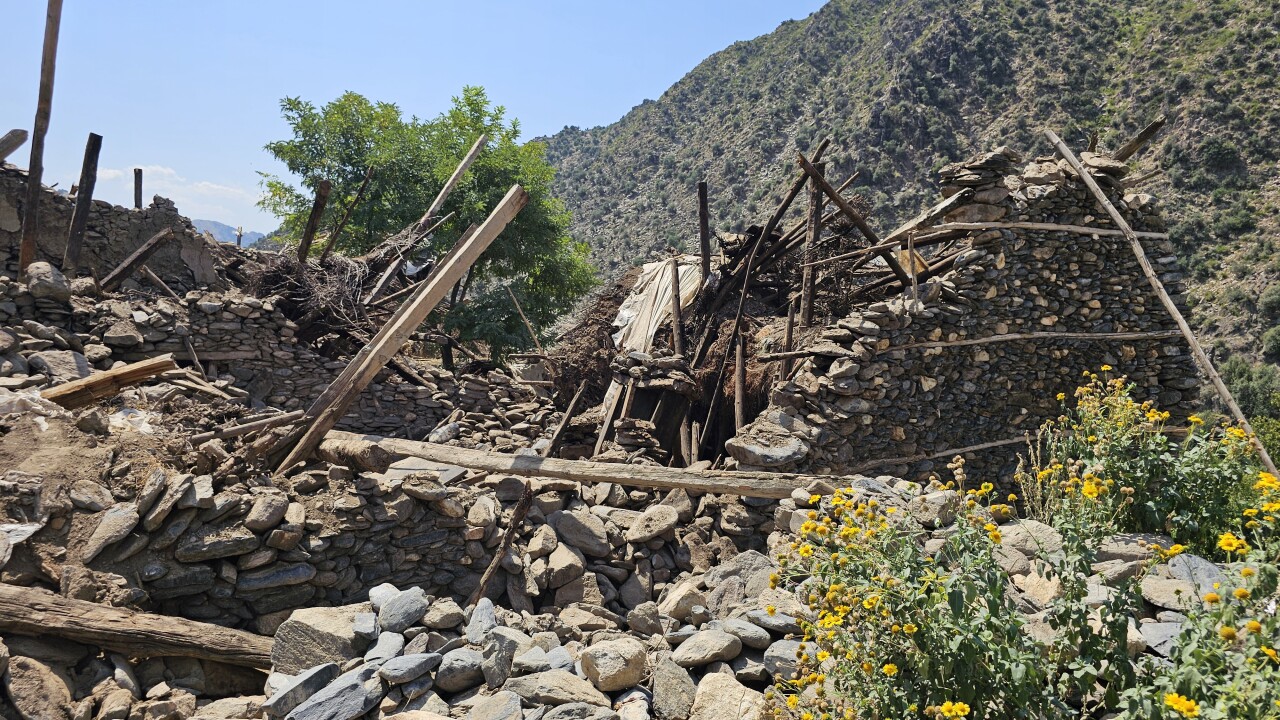
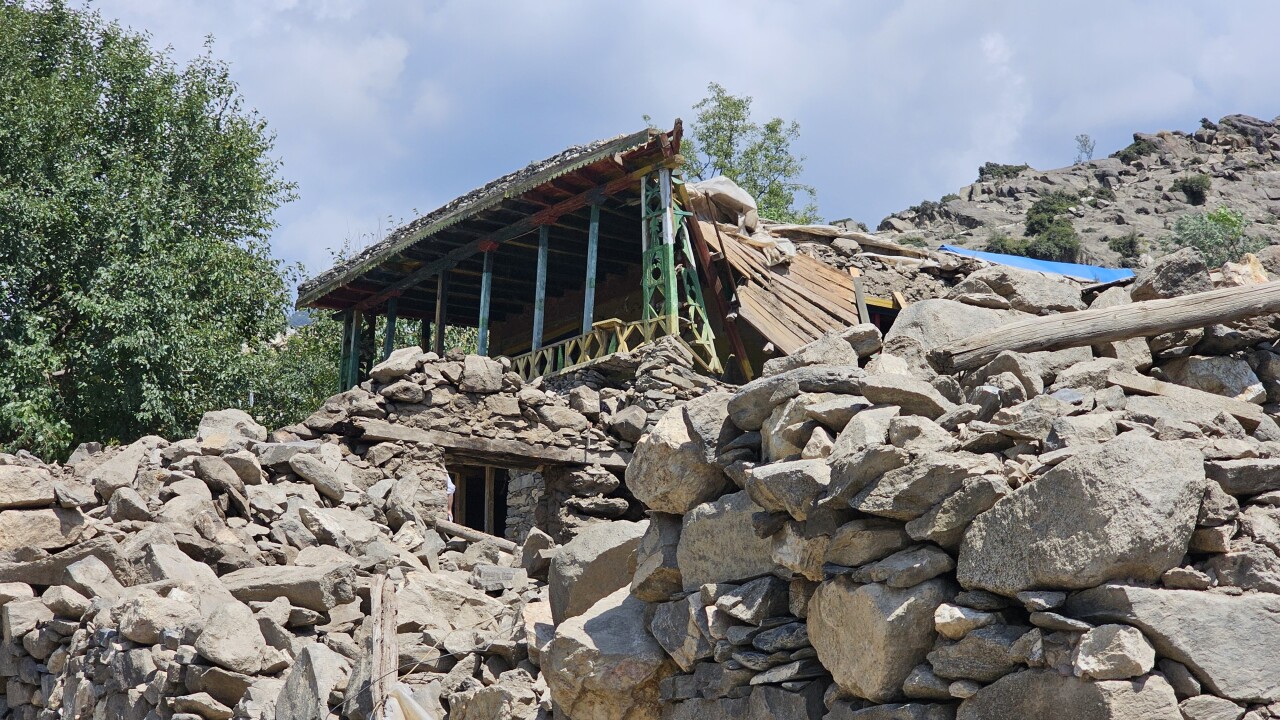
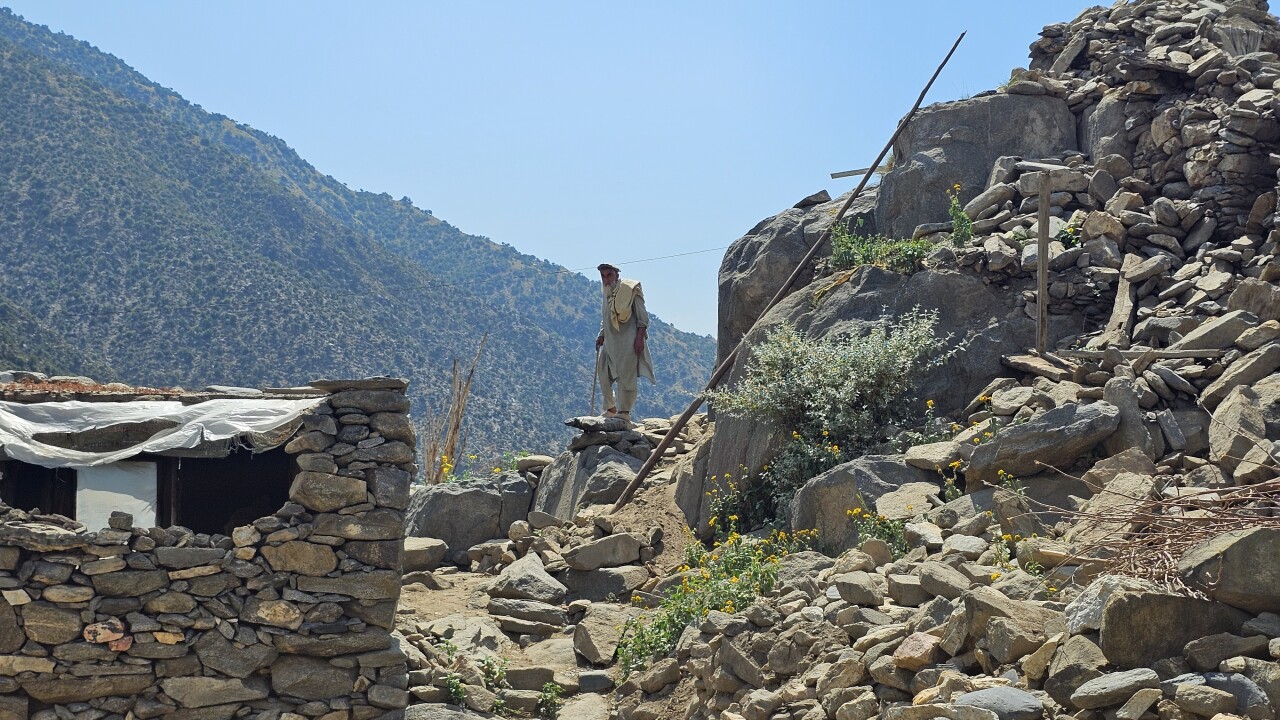
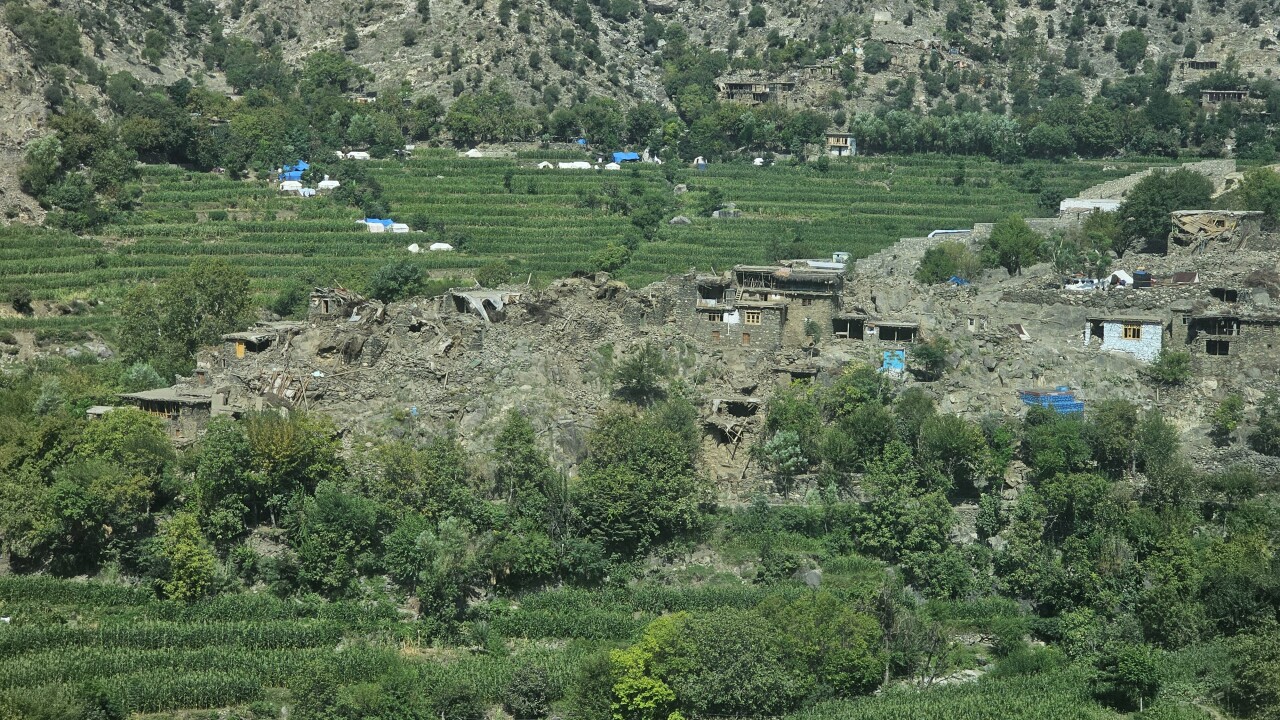
Not a single house remains standing in Masoud village of Nurgal district following the devastating earthquake in Afghanistan’s remote Kunar region that claimed more than 2,200 lives last month. Of the 1,000 inhabitants, some 60 lost their lives and about 130 suffered injuries when their homes – made of stone, clay or mud – crumbled as the earth shook on the night of 31 August.
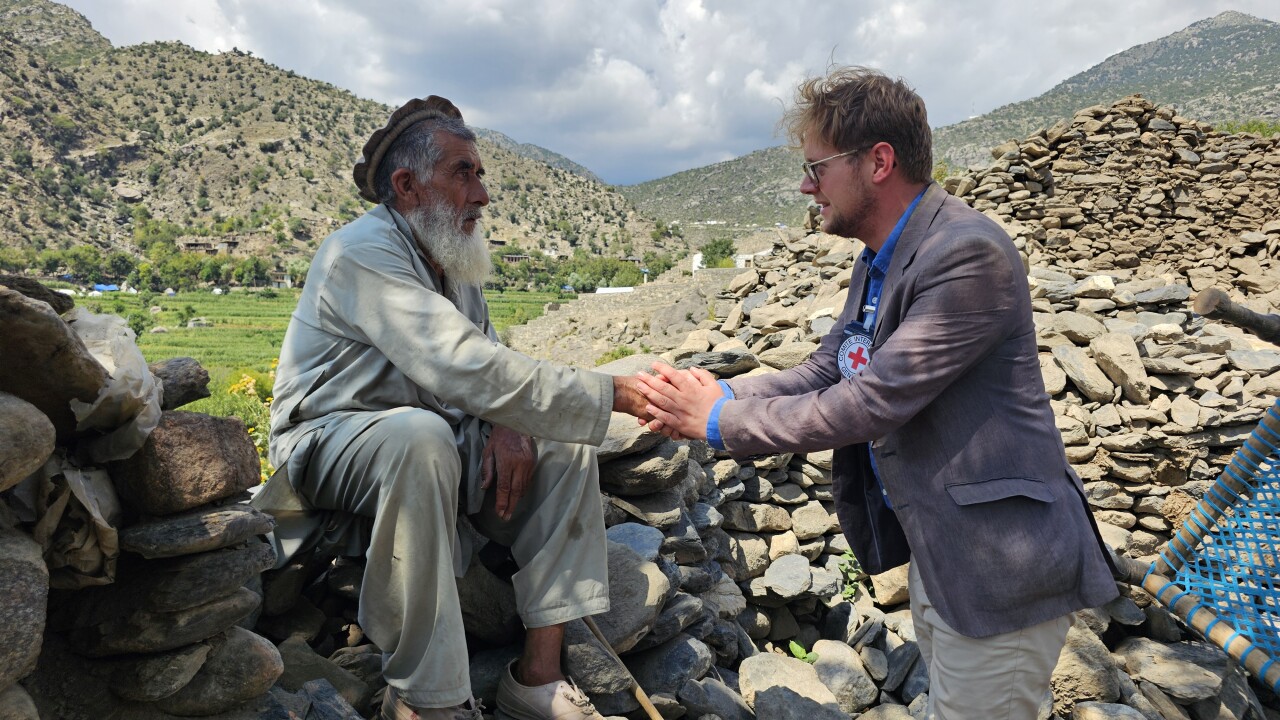
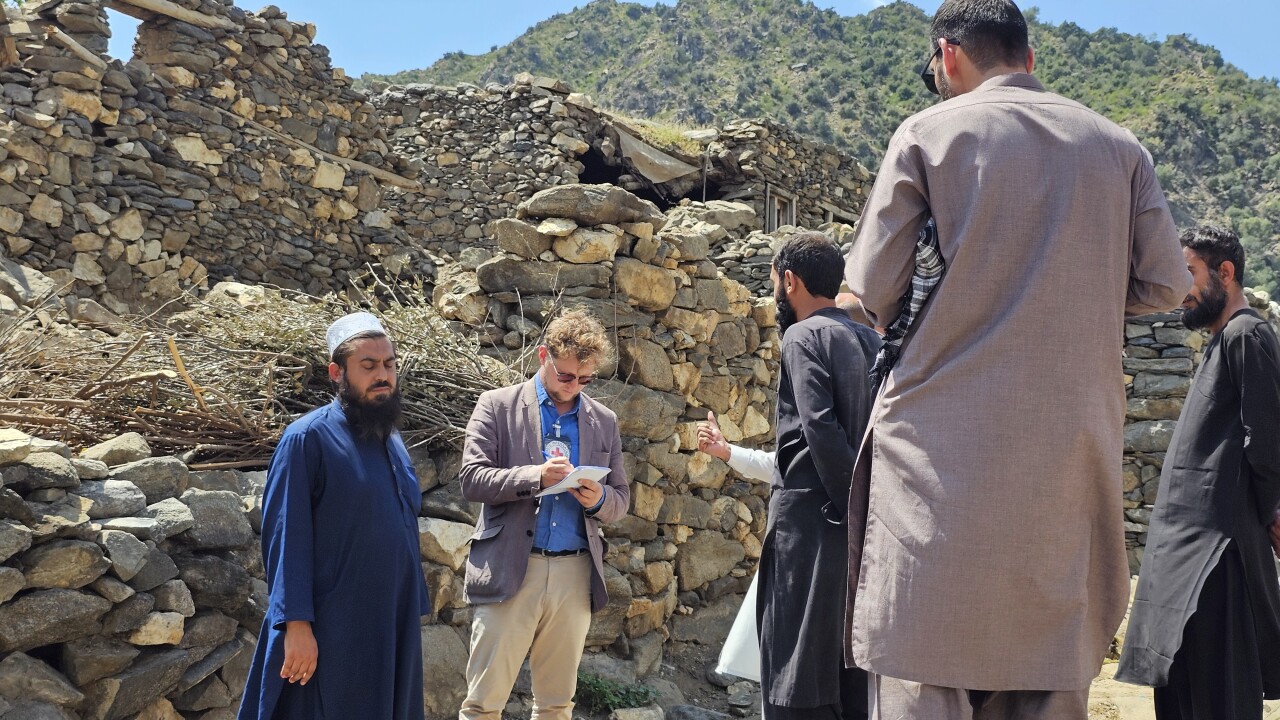
An ICRC team managed to reach the village days after the earthquake and witnessed the scale of the destruction. Communities continue to live in makeshift camps under very difficult conditions, lacking essentials such as food, water and basic health care. Many are traumatized and fear going back to their ruined homes because of the danger that aftershocks will cause buildings to collapse further.
Dawood Shah lost nine members of his family in the quake, including his wife, children, mother and brother. “People don’t have houses anymore. They don’t have food,” he said. “Everything that was there is now under the rubble. There is nothing left now.”
First-responders recounted how getting help to those buried and injured by the quake was made harder by landslides damaging the region’s already limited road network.
“We had to walk for three hours and when we reached the affected area the scene looked like Judgement Day,” said Assadullah, a resident of Dara Noor district. In some cases, helicopters became the only way to ferry people in need of urgent care to hospitals, he said. “The clinic is far from our area, it takes about one hour to reach it.”
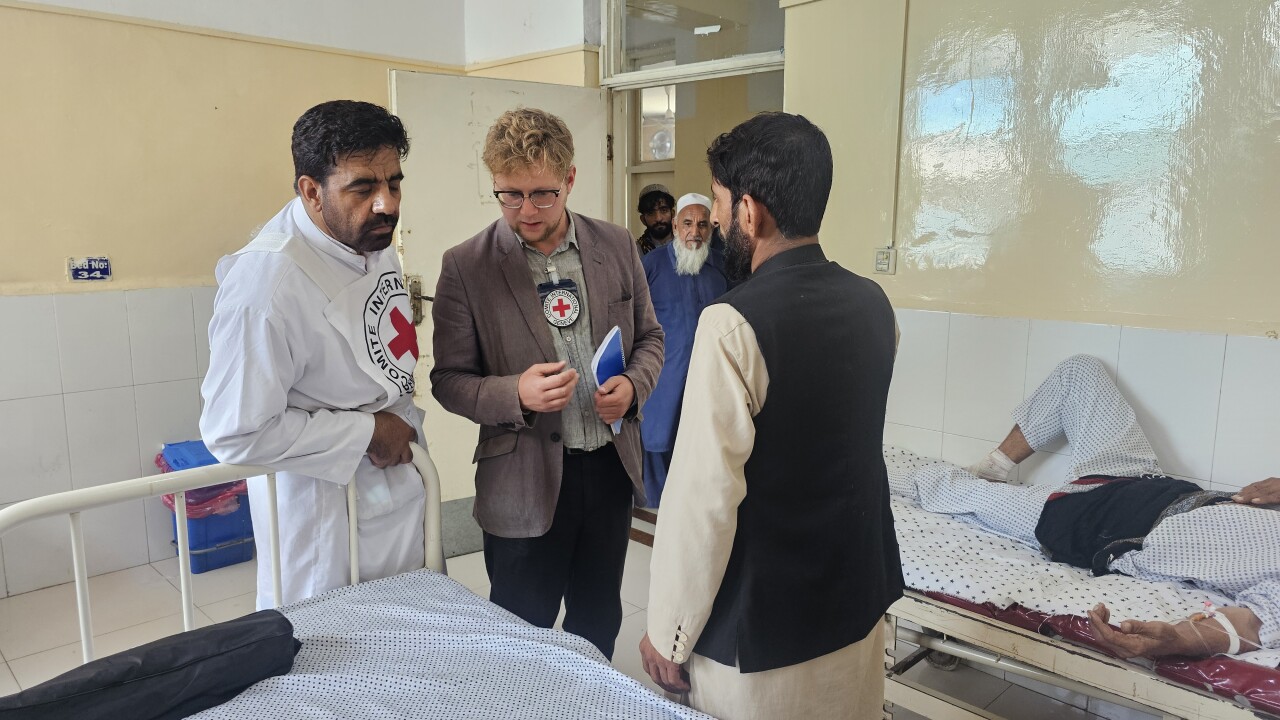
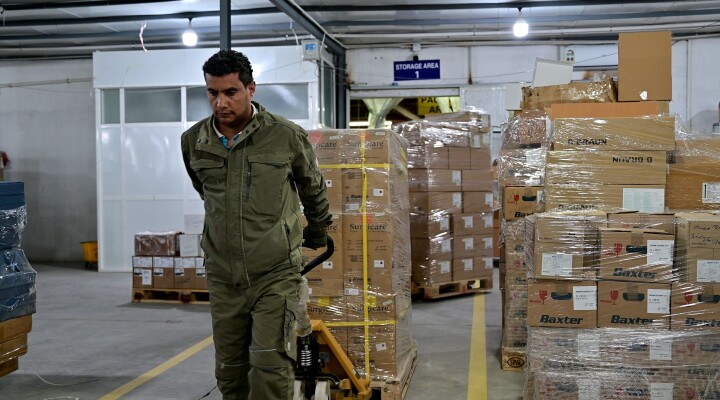
The ICRC’s response included bringing donated medical supplies such as dressing packages and oral and intravenous kits, crutches and wheelchairs to regional hospitals in Nangarhar and Kunar that have received an influx of hundreds of injured patients. It is also providing vehicles to the Kabul ambulance department that is part of the emergency response, as well as equipment and supplies to the Afghan Red Crescent Society (ARCS) Eastern region branch. One of the ARCS’s mobile teams provides basic health services to remote areas in Nurgal district once a week.
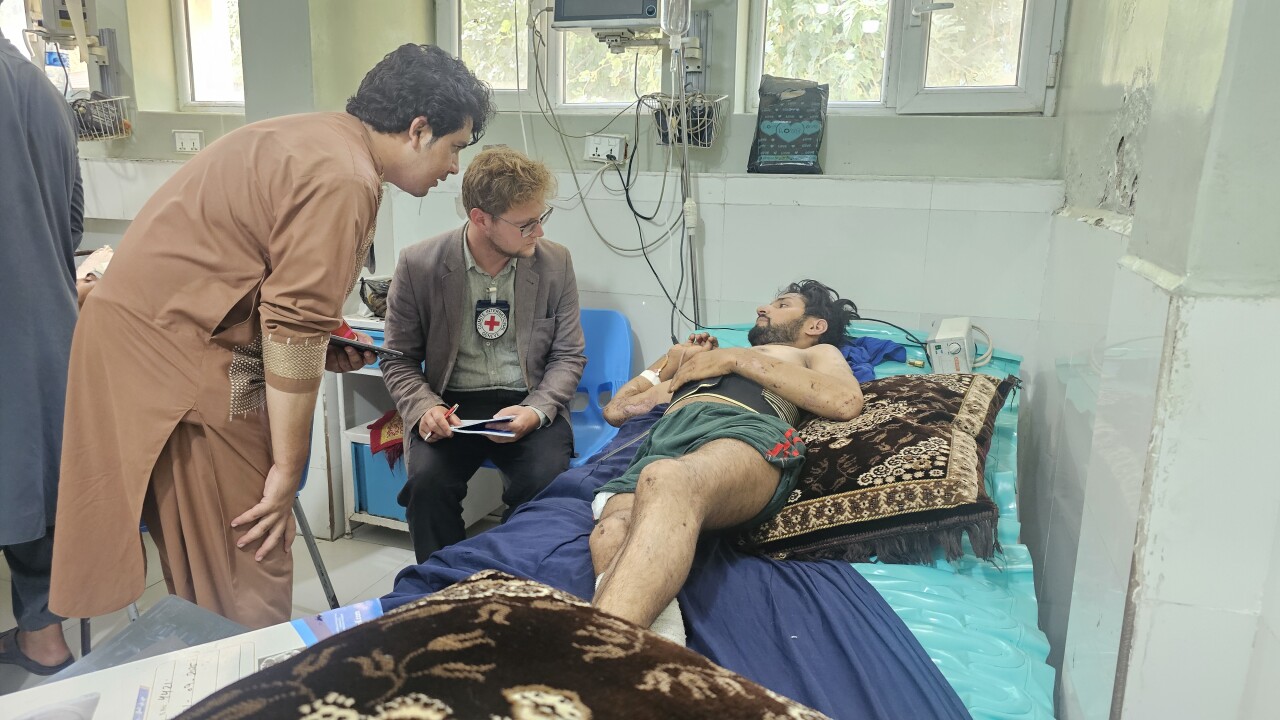
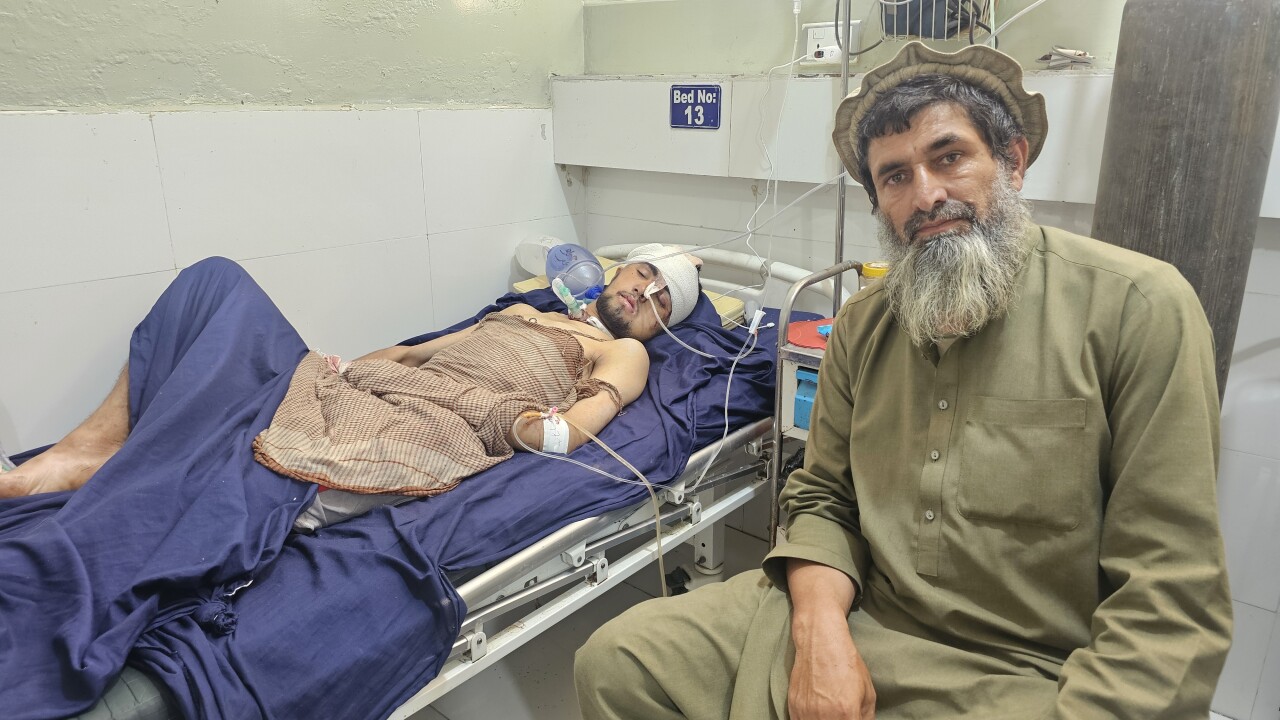
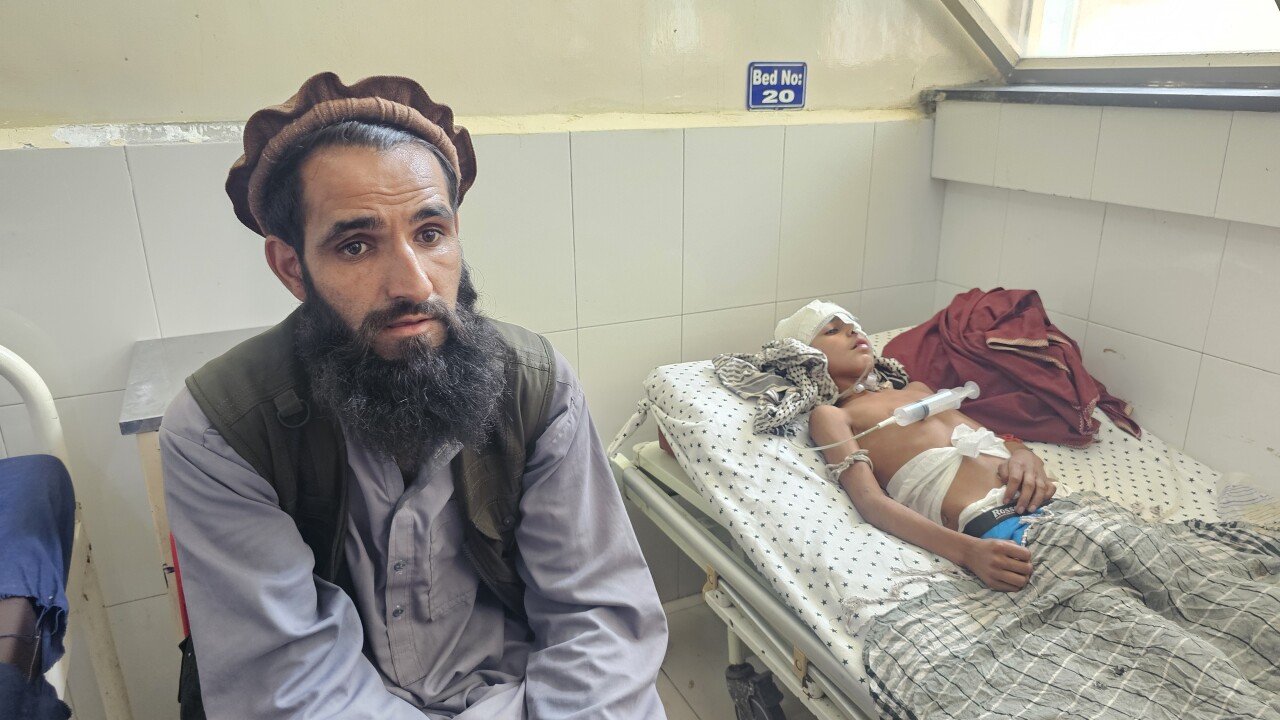
“So far we have helped around 1,100 injured people from the earthquake alone,” said Fahimullah, head of Nangarhar hospital. Some patients require long-term care due to arm, leg or spinal fractures, he added. “They will stay in neurosurgery, orthopaedic and general surgery wards to receive treatment.”
The ICRC’s physical rehabilitation center in Jalalabad branched out to the main hospitals in Nangahar and Kunar with male and female teams to provide physical therapy for survivors of the earthquake. This is an essential service that is often not prioritized as part of medical treatment in Afghanistan and can help prevent long-term complications for major trauma and spinal cord injuries.
In addition to the loss of life, many people face severe economic hardship ahead. Most people in Masoud depended on livestock for their livelihood, which is now at risk because so many of their cows and goats were killed in the disaster. Water pipes and canals have also been destroyed by the quake, while supplies of food and shelter material are limited. Like in other villages, women and children could be seen begging by the side of the road.
“These communities here that have suffered so much need humanitarian support,” said Achille Després, a member of the ICRC team that visited Nurgal district in Kunar region, noting that the earthquake follows decades of armed conflict and the impacts of climate change already affecting people in eastern Afghanistan.
For further information or interview requests, please contact:
Achille Després, ICRC Kabul, adespres@icrc.org , +41 79 848 49 08
The International Committee of the Red Cross (ICRC) is a neutral, impartial and independent organization with an exclusively humanitarian mandate that stems from the Geneva Conventions of 1949. It helps people around the world affected by armed conflict and other violence, doing everything it can to protect their lives and dignity and to relieve their suffering, often alongside its Red Cross and Red Crescent partners.
SHOTLIST
Location: Mazar Dara, Noorgal district, Kunar province
Length: 9:56
Date: 09 Sep 2025
Copyright: ICRC access all
On Screen Credit: ICRC written or logo
00:00 to 00:45
Destruction caused by the earthquake in Mazar Dara, Noorgal district, Kunar province.
00:45 to 01:17
ICRC representatives visit the destroyed area to assess the needs in Mazar Dar valley.
01:17 to 01:44
ICRC representatives visit the Nangarhar provincial hospital to see those wounded by the earthquake.
01:44 to 01:06
ARCS healthcare workers provide treatment to the wounded in Mazar Dara valley.
02:06 to 03:22
SOUNDBITE Achille DESPRES' (ICRC’s spokesperson) speaks in Nangarhar provincial hospital after visiting those wounded in the earthquake. (in English)
“This is Achille Després from the International Committee of the Red Cross. We are now in Nangarhar regional hospital, it's one of the hospitals that is receiving victims from the terrible tragedy that hit eastern Afghanistan a little bit over a week ago with the 6.0 magnitude earthquake that struck this region. This hospital has received a massive influx of patients; since the tragedy they have received over a thousand patients. I had the opportunity to speak to some of them and the stories they shared with me are just heartbreaking. From the first day following this tragedy the ICRC has been supporting this hospital: we have delivered them dressing packages, we have delivered them oral and intravenous packages in order to stabilize the most severely affected patients. On top of that, we are also supporting two additional hospitals here in Jalalabad, and we are also supporting the Kunar regional hospital, which is also receiving an influx of patients following this earthquake. But more support is needed, and the international community cannot look away as these people need assistance.”
03:22 to 05:18
SOUNDBITE Achille DESPRES' (ICRC’s spokesperson) speaks in Mazar Dar valley, Noorgal district, Kunar province, after visiting the earthquake-affected area and people. (in English)
“These communities are very remote and hard to reach. A lot of the roads have been blocked as a result of the earthquake and the ICRC, together with the relevant authorities, has deployed machinery to support opening these roads so that more assistance, more aid, can reach these people in dire need. In this area, most house have collapsed and have been destroyed as a result of this tragedy. On the way there we saw villages that had been entirely destroyed: nothing is left but ruins. We saw entire communities, with women and children, living in makeshift camps, living in tents in incredibly dire conditions and lacking the essentials such as food, water and shelter. On the way there we saw children and women outside, on the street, begging for help. The people in Afghanistan, these communities here that have suffered so much, need humanitarian support. They have suffered so much, enduring already over four decades of armed conflict, also the effects of climate change, they are in dire need of humanitarian support, and the international community cannot look away. These people need our support now more than ever.”
05:18 to 06:59
SOUNDBITE Fahimullah, head of Nangarhar hospital. (in Pashto)
“We received and treated those injured in the earthquake. So far we have helped around 1,100 injured people from the earthquake alone. They were brought here, and we provided treatment for them.
Among them over 600 were in-bed patients and around 46% of them were female and 54% were male patients. All of them received good treatment and were discharged, but we still have around 100 more patients under treatment.
They are patients who need long-term healthcare. Some of them have arm, leg and spinal fractures. They will stay in neurosurgery, orthopedic and general surgery wards to receive treatment. We thank the ICRC; they have assisted us in the early stage and they have also continued their support for us. In particular, they have been assisting us in physical rehabilitation and they have come here for support. For example, they have provided us wheelchairs, assisted the injured. Yesterday they came here to provide physiotherapy for the patients. Their services and assistance were effective for us to treat the injured. They have provided full support to us and the reason that we provided good healthcare for the patients is because of the ICRC and other relevant organizations who provided their assistance.”
07:00 to 08:21
SOUNDBITE Dawood Shah, wounded. (in Pastho)
“I was under the rubble. I was pulled out by two people. When they pulled me out, they left me on the ground, and they left to pull out other martyrs. There are 9 martyrs in our family. My family was inside the house, and I was sleeping on the balcony. As I said, there are 9 martyrs. Two of them are my nieces, my mother, my brother, two nephews, and my other niece. My wife and daughter (also died). The emergency needs currently at our place are that the people don’t have houses anymore. They don’t have food. These are the dire needs. Because everything that was there is now under the rubble. There is nothing left now. The situation was very bad before, I didn’t have hope to stay alive. Now, I am much better, thank God. The pain is gone. I am getting better day by day.”
08:22 to 09:56
SOUNDBITE Assadullah, Dara Noor district residence (in Pashto)
“At 11:30 PM I received a call [letting me know] that such an incident had happened.
I immediately reached the Dara Noor [district] and after saving my father, my cousins and I went to Mazar Dara [valley]. When we reached Mazar Dara we saw all the rooms [of the house] had fallen over the people in the house and nobody had survived.
25 people were dead, and 23 others were injured. All of the houses in our village were destroyed. When we moved forward from Nurgal District the roads were also cracked.
Rocks had fallen on the roads from the mountains and there was no way for the vehicle to move forward. We had to walk for three hours and when we reached the affected area the scene looked like judgement day. The conditions were unclear, nobody knew what to do. When I reached there, we did all of the rescue efforts ourselves. But, I thank the people of Nangarhar that they reached the area to assist us. We took out the injured and the dead from the rubble by ourselves. We didn't see any way of transporting them and then the helicopters came which transported the injured and the dead. The clinic is far from our area, it takes about one hour to reach it. We don't have a clinic in our area where people from four villages live. The clinic is very far from us.”
END