Gaza: Severe winter conditions compound humanitarian crisis for displaced Palestinians
In Gaza, extreme weather conditions and flooding are pushing Palestinians to the limit in their daily struggle to survive.
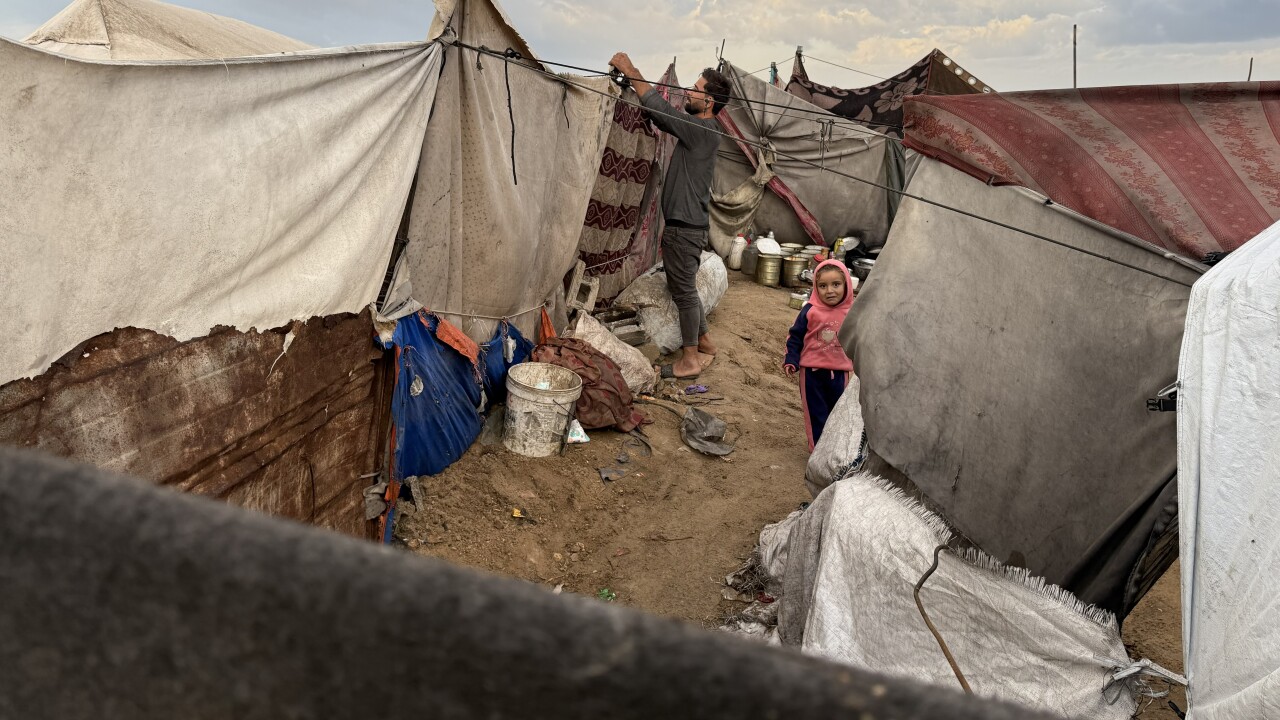
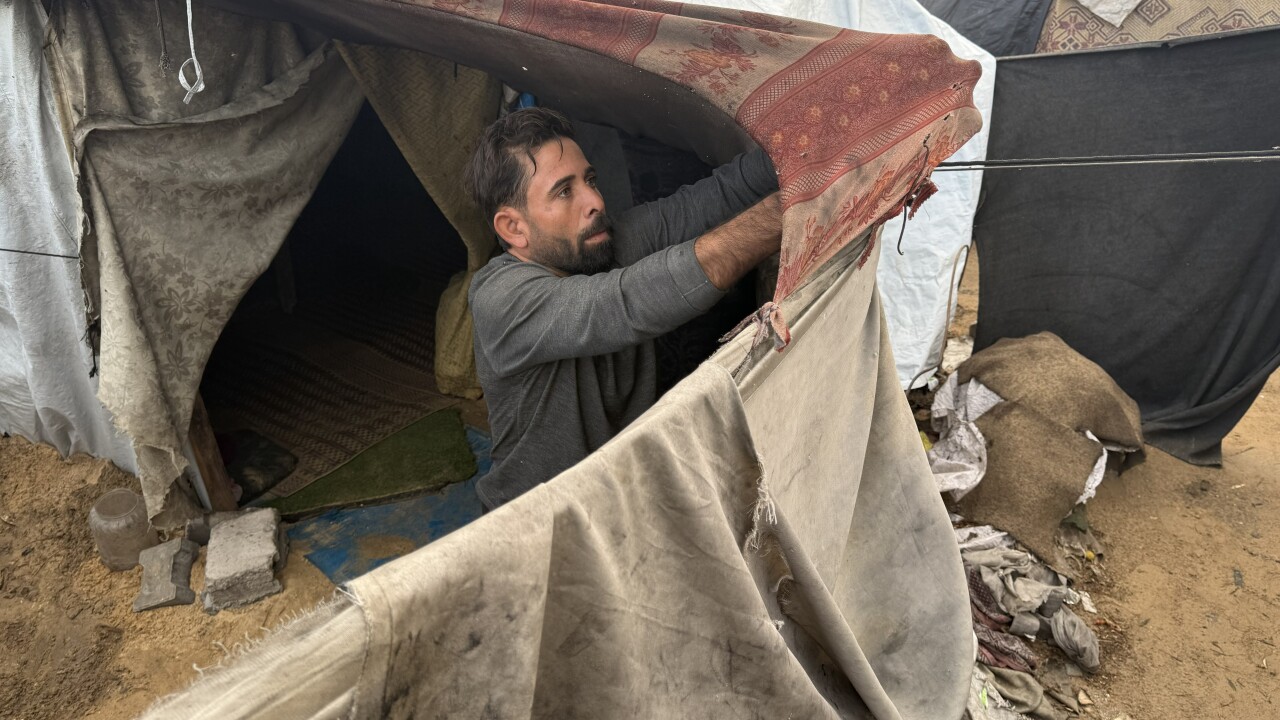
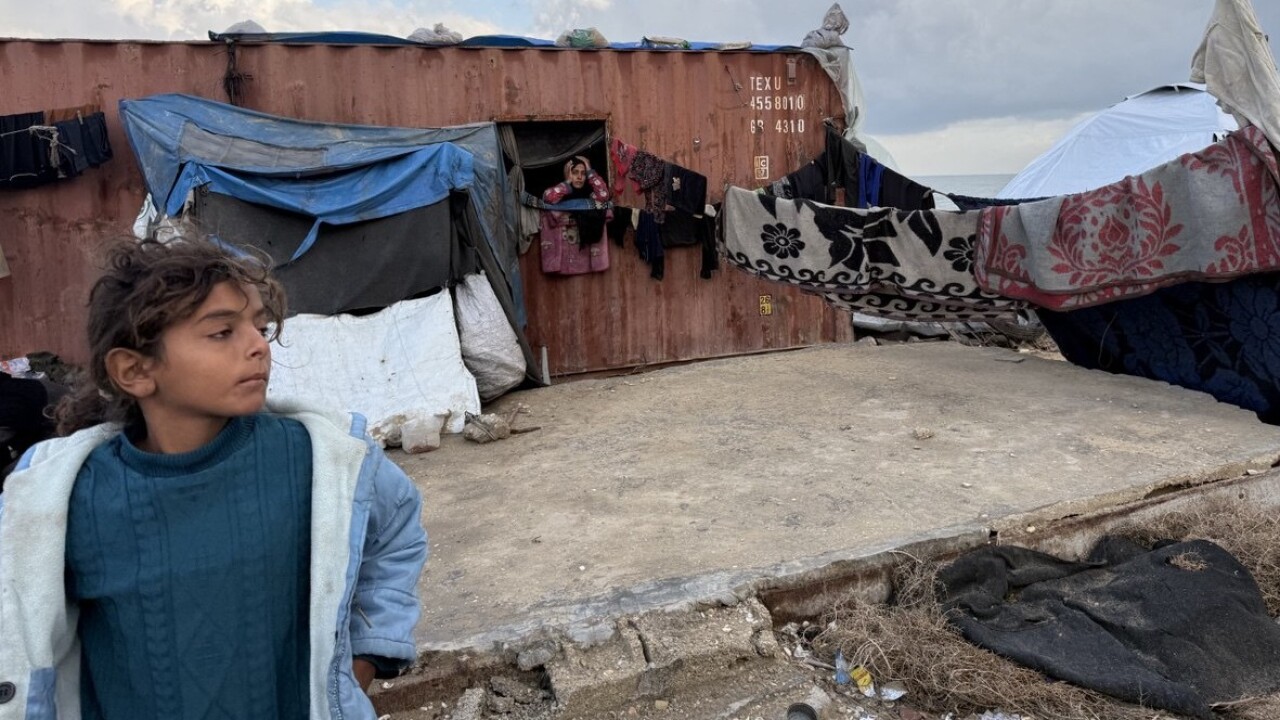
Cold temperatures, heavy rain and strong winds pose new challenges to communities who have already been displaced multiple times and now see the tents they rely on for shelter torn apart, flooded or blown away.
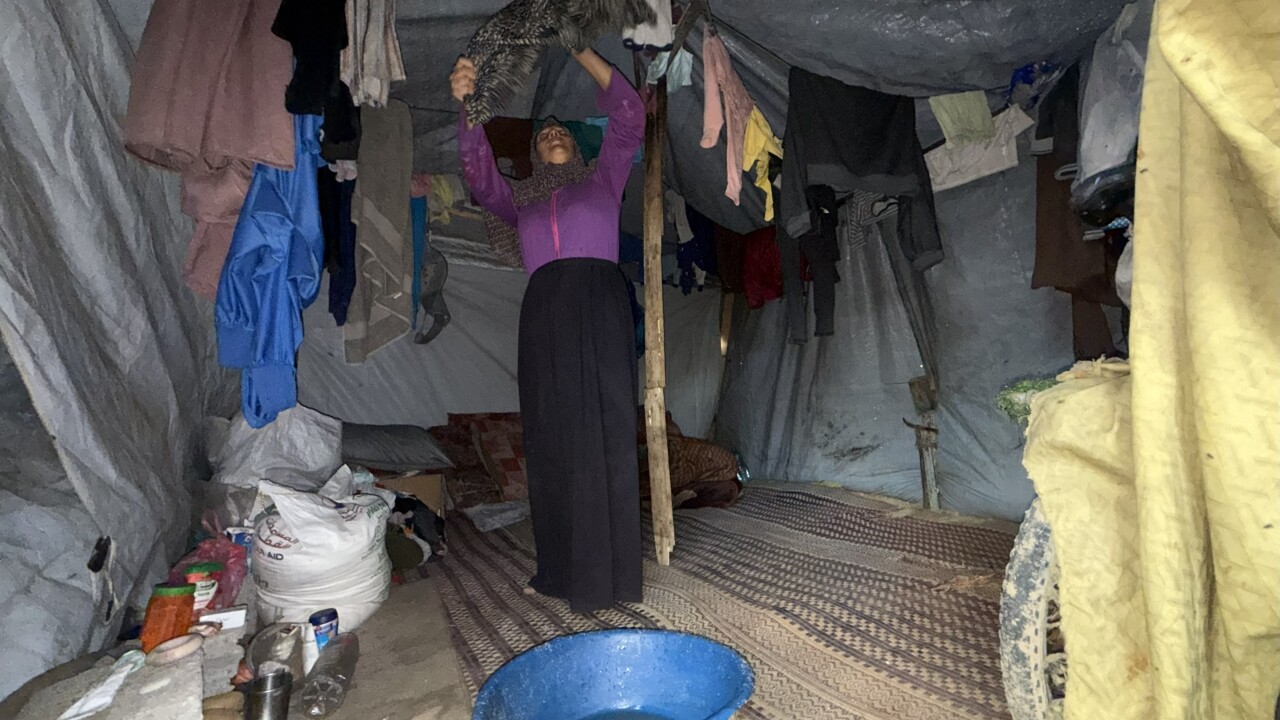
“Our tents are flooded, the little ones are soaked, and our bedding is drenched,” says Gaza resident Wafaa Khodeir. “Where am I supposed to go when my house is destroyed? I have nowhere to go.”
Recent winter storms have caused widespread flooding in low-lying areas and displacement camps. For many, the nightmare is compounded by the collapse of buildings already weakened by hostilities.
With no alternative shelter available, many displaced families have moved into structurally unsound buildings, where downpours and high winds increase the risk of collapse, turning these spaces into life-threatening refuges rather than places of protection.
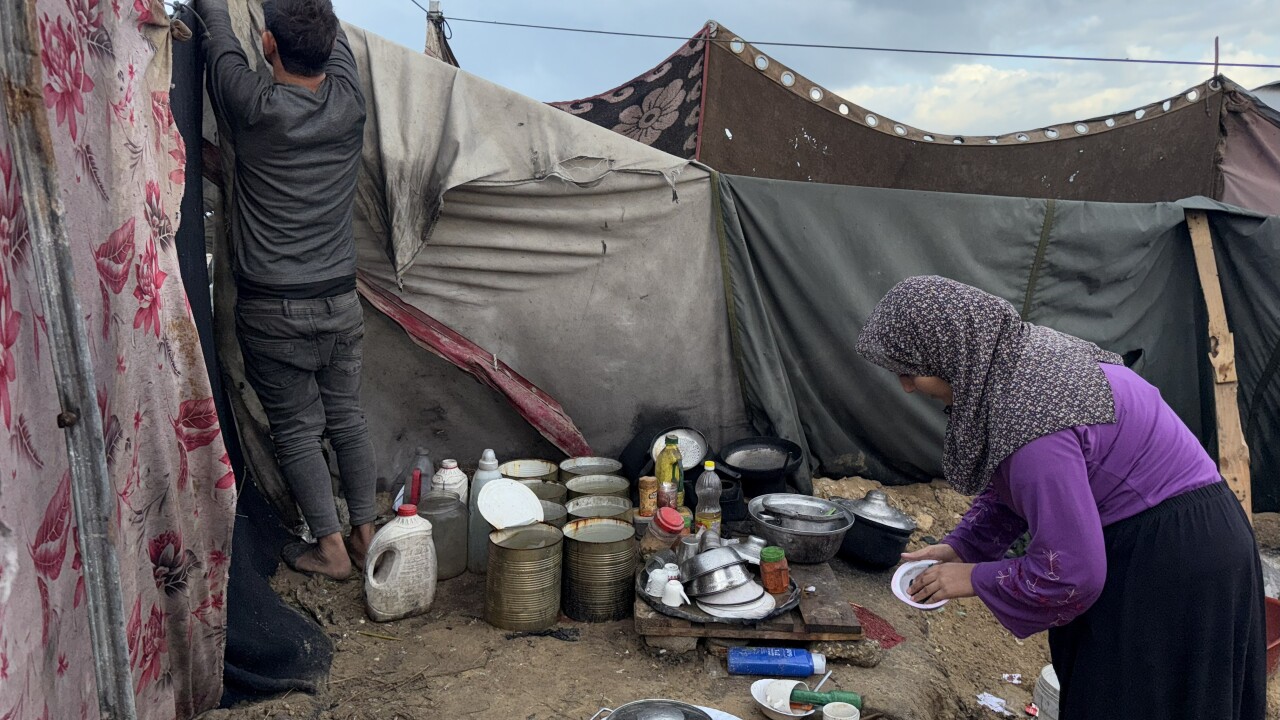
In Deir al-Balah and Khan Younis, families are living in makeshift shelters that offer little dignity, privacy or protection against the harsh weather conditions.
“Every tent is like this,” says Nasra Abu Qainas. “Some families had their tent broken. My son's tent collapsed on him while he was inside. It's unbearable.”
Across Gaza, the ICRC continues to support communities access the water, food and medical care they need.
In Khan Younis, the ICRC has been supporting authorities in the repair and maintenance of a pumping station that will help improve sanitation for thousands of people living in tough conditions.
“This station sustained significant damage,” says engineer Muhammad Alian Abu Shaar.
“If the station ceases operation, as you can see, the surrounding areas are all low-lying, and will inevitably be flooded with sewage, not to mention rainwater.”
Tents are not enough to shelter Palestinians from exposure to a combination of cold, wind, rain and water-borne diseases that mark their experience of winter.
To help ensure the health and dignity of Palestinians in Gaza, the ICRC calls on Israel as the occupying power to allow and facilitate rapid and unimpeded passage of humanitarian assistance.
Anything less puts lives at risk.
Information for Journalists:
Al-Wafiya Pumping Station in Khan Younis, Gaza
The Al-Wafiya pumping station in Khan Younis is undergoing critical repairs after damage forced its shutdown, creating severe health hazards and environmental flooding. Serving over 100,000 residents in neighbourhoods such as Al-Katiba and Hamad City, the station is essential for managing a projected three to four million litres of daily wastewater as families return to their homes.
Funded by the ICRC and managed by the Coastal Municipalities Water Utility, the restoration includes repairing the sea-bound pressure pipeline, installing a new generator and replacing electrical panels. These repairs are vital to prevent catastrophic sewage overflows in low-lying residential areas, especially as the station must now handle both sewage and increasing winter rainwater runoff.
The Khan Younis Municipality emphasizes that without this swift intervention, the local sanitation network would be unable to sustain the returning population. The project highlights a successful partnership between the ICRC and local authorities, whose support remains crucial for maintaining the city's infrastructure and preventing further humanitarian and environmental crises.
For further information, please contact:
Pat Griffiths, ICRC in Jerusalem, for requests in English, +972 52-6019150, pgriffiths@icrc.org
Amani Al Naouq, ICRC in Gaza, for requests in Arabic, +972 56-281-5029, aalnaouq@icrc.org
Gilad Grossman, ICRC in Tel Aviv, for requests in Hebrew, +972 52-601-9123, ggrossman@icrc.org
SHOTLIST
Length: 07:14
Location: Khan Younis, Deir Al Balah,
Date Of Filming: November, December 2025
Copyright: ICRC access all
On Screen Credit: ICRC written or logo
Winter conditions - Soundbites translation:
Wafaa Khodeir, in Deir Al Balah
وفاء خضير
00:00:52:19 - 00:01:47:00
I was sitting here this morning when it started to rain. The water flooded in on us, our children, and our belongings. It came from everywhere. The place is full of mud, and we can’t even move. Our tents are flooded, the little ones are soaked, and our bedding is drenched. We don't know where to go.
كنت أجلس هذا الصباح وبدأت السماء تمطر. دخلت المياه علينا وعلى أولادنا وأغراضنا. أتت من كل مكان. المكان به الكثير من الطين ولا نستطيع الحركة. خيامنا غرقت والصغار غرقوا وفرشنا غرق. لاندري أين نذهب.
look, look! It’s a swamp under me! How am I supposed to manage? How am I supposed to put my children to sleep? Where am I supposed to sleep? Where am I supposed to go when my house is destroyed? I have nowhere to go.
يا أخي اتطلع مستنقع تحتي كيف أدبر حالي؟ كيف ينام أولادي؟ أين أنام؟ أين أذهب وأنا بيتي مهدم؟ أين أذهب؟
I have a young grandson, my daughter just gave birth, he is only one year old. We don’t know how to get him out, and he has siblings too, all young children; we are terrified for them. Look at this scene, do you see? Even my grandson’s milk was ruined by the water. I don’t know what to do.
عندي حفيد صغير، بنتي أنجبت، وعمره عام. لا ندري كيف نخرجه، ولديه أخوة أيضًا، أولاد صغار خايفين عليهم. انظر إلى هذا المنظر، أترى؟ علبة حليب ابن بنتي أتلفتها المياه. لاأدري ماذا أفعل.
We don’t know how to manage, and we don't know anything. No one cares about us. We are drowning and dying, and there is no one coming for us.
لانعرف كيف ندبر حالنا ولا نعرف أي شيء . ولا أحد يبحث عنا . نحن نغرق ونموت وليس هناك من يبحث عنا.
Yousef Abu Ghadayeen, in Deir Al Balah
يوسف أبو غديين
00:02:50:16 - 00:03:15:18
First of all, we are displaced from the northern Gaza Strip, and we came to Deir al-Balah. As you can see, the donkey we depend on for our livelihood, which is worth 21,000 shekels, was found dead this morning because of the rain.
أول حاجة إحنا نازحين من قطاع غزة من شمال قطاع غزة، وجينا نزحنا في دير البلح، مثل ما انتم شايفين الحمارة بترزق منها واللي ثمنها واحد وعشرين ألف شيكل الصبح صبحت من المطرة لقيتها من المنخفض الجوي لقيتها ميتة.
Two tents were flooded, along with the blankets, the young children, and the little girl. Look how much water the storm brought!
خيمة خيمتين غرقت وأيضاً البطانيات والأولاد الصغار وهذه البنت الصغيرة. هذه المياه، انظر كمية المياه من المنخفض الجوي.
Nasra Abu Qainas, in Deir Al Balah
نصرة أبو قينص
00:04:09:15 - 00:04:54:03
I was baking when it started raining. Suddenly, all the water came in. Look at this! Look at the water! There are six of us in the [tent], and the whole [tent] is flooded. The rug we use to sit on the floor is wet. All the furniture is wet. There's nowhere to sit, not even a tiny space. The whole place is flooded.
كنت أخبز وأمطرت الدنيا. لم أرَ إلا والمياه دخلت . أترى هذا؟ أترى كيف دخلت المياه؟ ونحن ستة أشخاص في الدار. وكل الدار غرقت. وأغرقت السجادة التي نفترشها. ودخلت على الكنب وعلى كل الدار. لايوجد ولا مكان ولا شيء ولا مكان صغير نجلس به . كل المكان غرق بالمياه.
Everyone was screaming. The whole shelter was screaming. It's so unfair!
والناس كلها بتصرخ. أصلاً كل المخيم كان بيصرخ. والله حرام هيك.
Every tent is like this. Some families had their tent broken. My son's tent collapsed on him while he was inside. It's unbearable.
كل البيوت وكل الخيم في ذات الوضع. حرام. بعض الناس انكسرت خيمتهم، ابني انكسرت الخيمة فوقه. حرام لا يصح ذلك.
Engineer Muhammad Alian Abu Shaar (CMWU), in Khan Younis
المهندس محمد عليان أبو شعر
05:42 – 06:07
We are currently at Al-Wafiya pumping station, located in the heart of Khan Younis. This station sustained significant damage during the war, forcing it to shut down. This has severely impacted the city's sanitation system, creating a health hazard in the large areas surrounding the station and preventing residents from returning to their homes in the nearby neighbourhoods.
نحن الآن في محطة ضخ "الوفية" في منتصف بلدة خانيونس، حيث تعرضت هذه المحطة لأضرار كبيرة خلال الحرب، ما تسبب في توقفها عن العمل، وأثر تأثيراً كبيراً على نظام الصرف الصحي في المدينة، حيث نتج عن هذا وجود مكرهة صحية في مناطق كبيرة محيطة، كما أدى إلى عدم قدرة المواطنين على الرجوع إلى بيوتهم في المناطق المحيطة بالمدينة.
06:45 – 07:14
If the station ceases operation, as you can see, the surrounding areas are all low-lying, and will inevitably be flooded with sewage, not to mention rainwater, especially after residents return to their homes. There are numerous drainage networks that residents can use to dispose of sewage, but their capacity will be exceeded, and the stations will have to be repaired as quickly as possible.
في حال توقف المحطة عن العمل، كما ترون المناطق المحيطة بها جميعها ذات منسوب منخفض، وبالتالي ستغرق جميعها في مياه الصرف الصحي، علاوة على مياه الأمطار القادمة، وخصوصاً بعد عودة المواطنين إلى سكناهم. ومع العلم أنه يوجد شبكات كثيرة يمكن للمواطنين أن يستخدموها ويتم تصريف مياه الصرف الصحي إليها، وبالتالي يزيد الحمل على هذه المحطات، فلا بد من إصلاحها بأسرع وقت ممكن.
ENDS