Sudan: Six months after fleeing Al Fasher, families stranded in Tawila are still without news of their loved ones
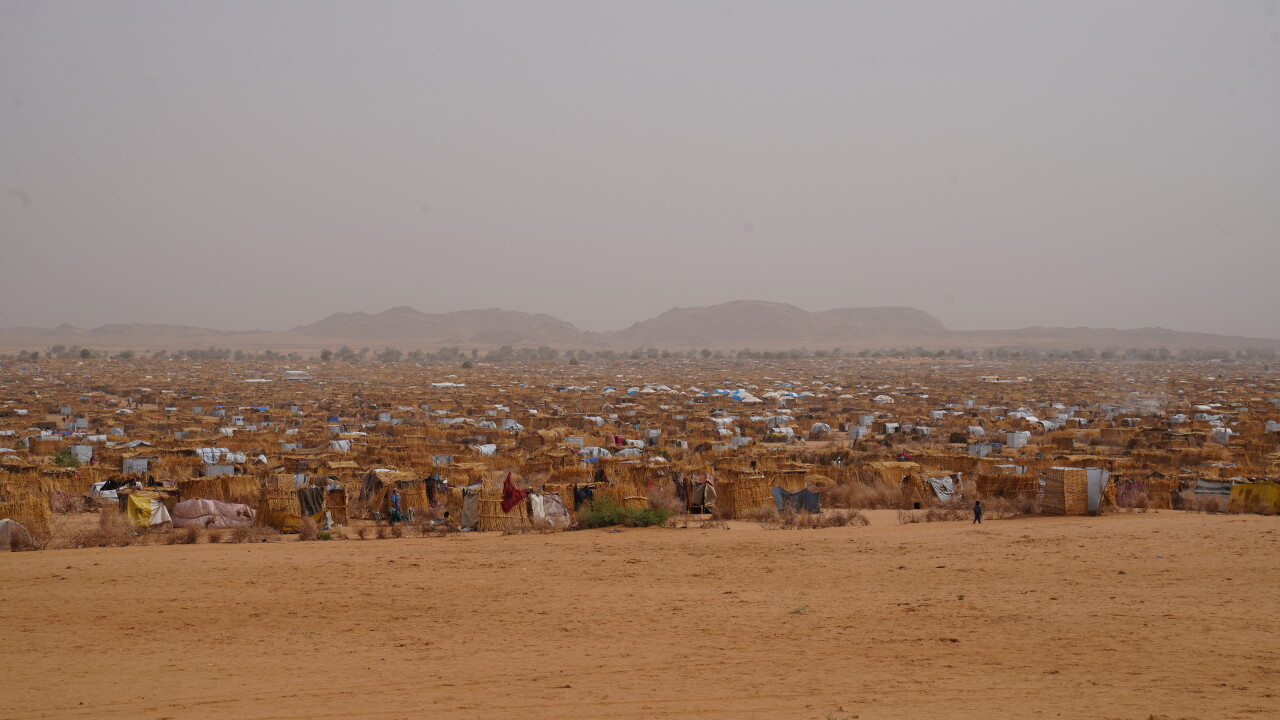
More than six months ago, thousands of families fled Al Fasher, Sudan, after enduring heavy fighting and hardship. Many found refuge in Tawila, where they continue to face harsh living conditions, struggling to access basic resources while searching for missing loved ones. Similar patterns of violence, displacement and family separation are happening elsewhere in Sudan, particularly in Blue Nile, Kordofan and Darfur, where recurring clashes and attacks on civilian areas are forcing communities to flee repeatedly.
Teams from the International Committee of the Red Cross (ICRC) and the Sudanese Red Crescent Society (SRCS) are on the ground delivering aid and reconnecting families torn apart by four years of conflict.
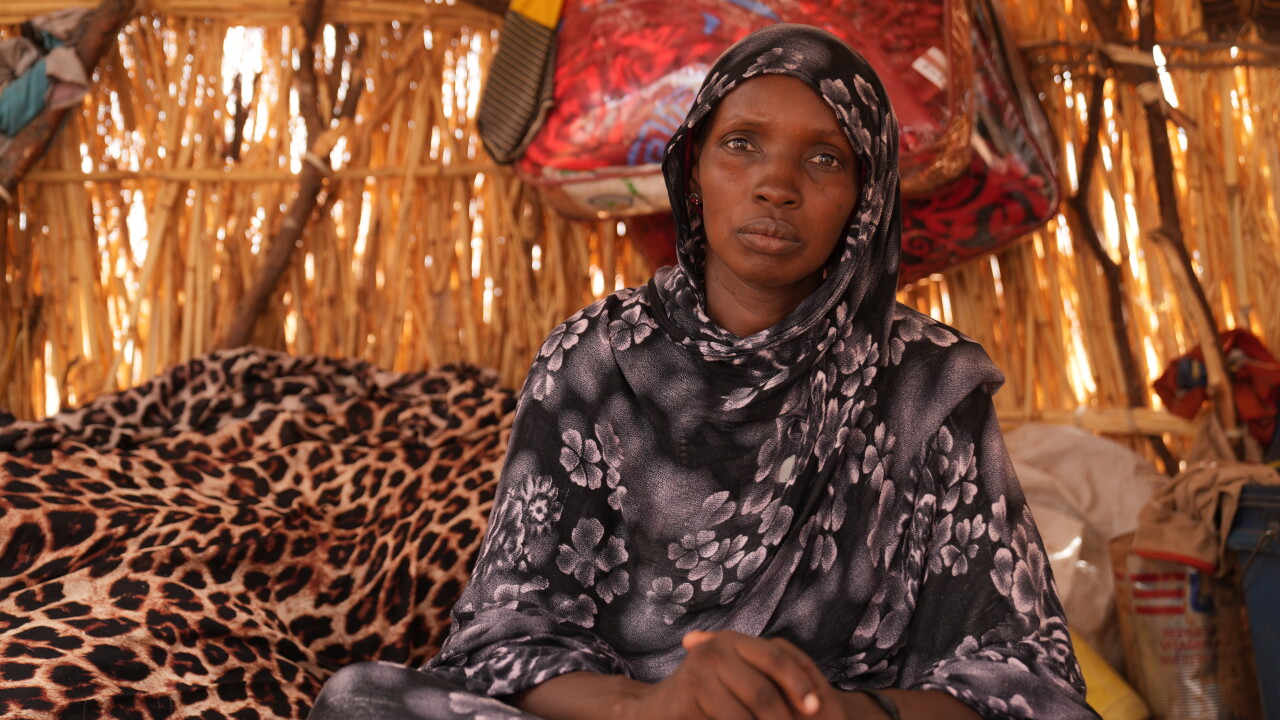
Najwa Mohamed walked for four days with her children to reach Tawila. Arriving with nothing, she was told that her husband had been struck by a vehicle in Al Fasher.
Her 17-year-old son went out to look for his father. He never came back.
Today, all she has left of her son are photos on her phone.
"We have had no information since then. We searched everywhere. There has been no news. All attempts to find him failed," says Mohamed.
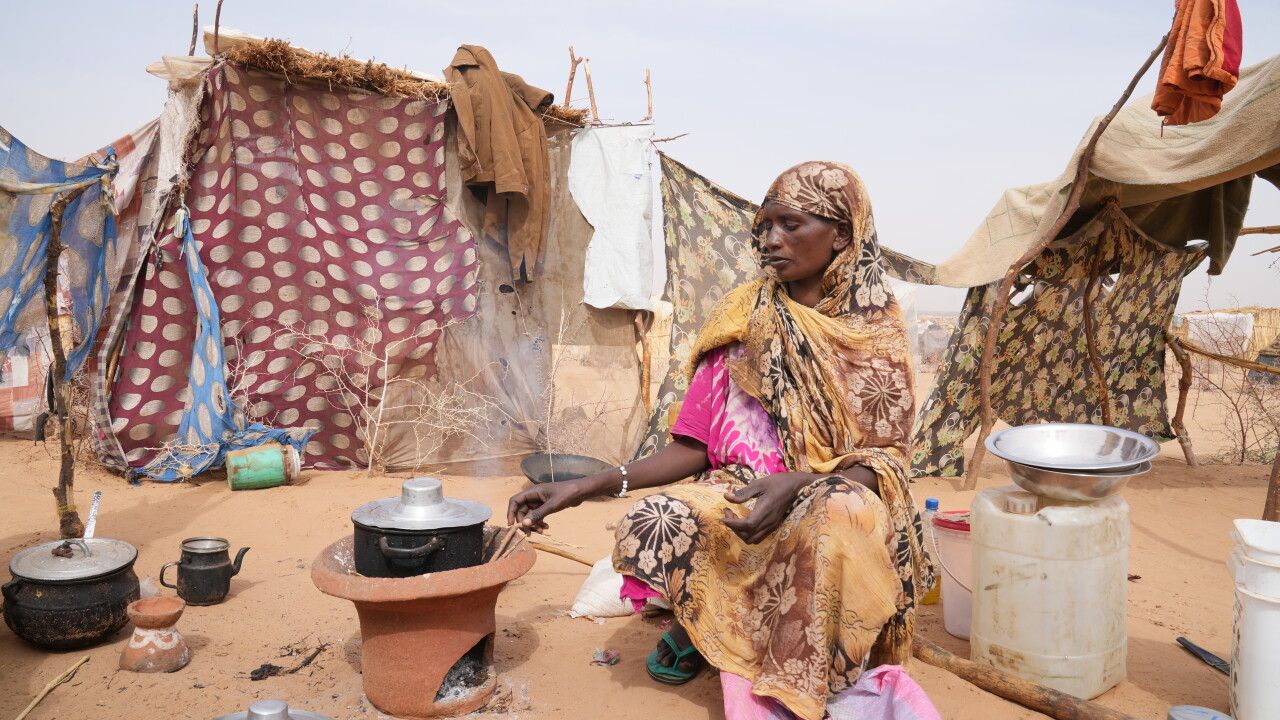
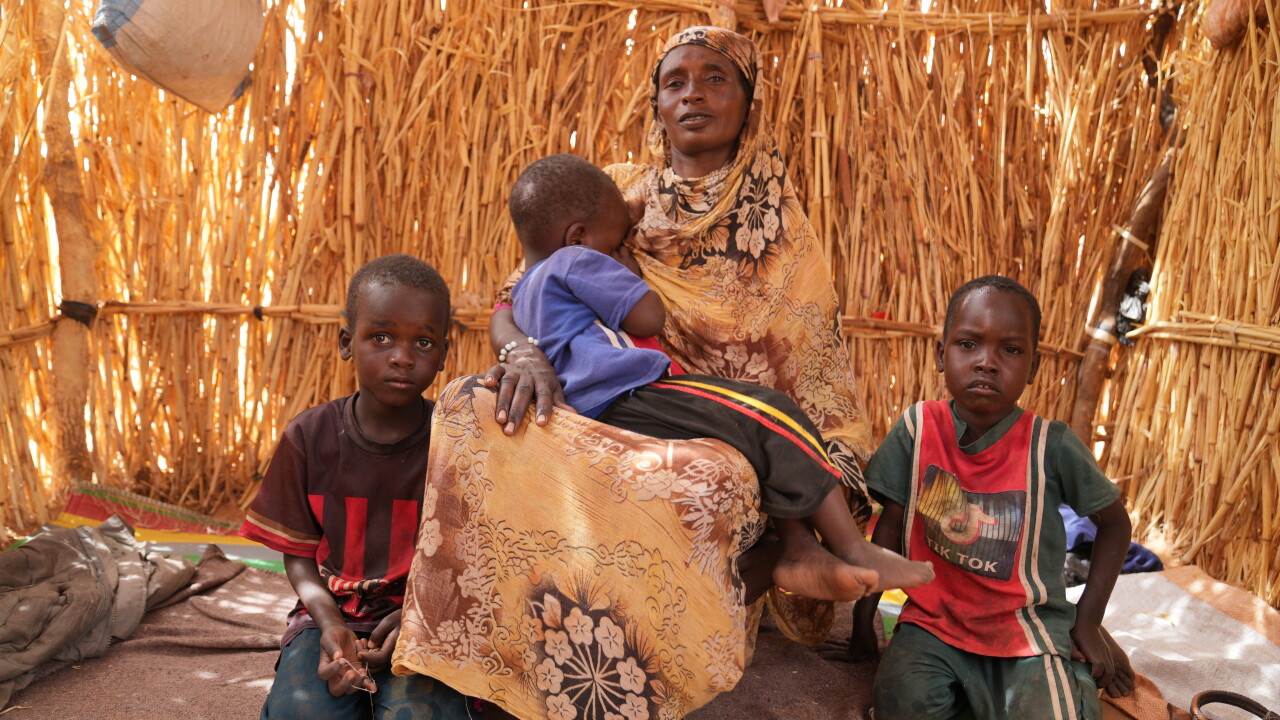
Zahra Hamid and her family were in Al Fasher when her children were injured and she herself was hit by a bullet. They eventually found refuge in Tawila, but Hamid lost contact with her brother.
“He last called us days after Al Fasher fell. After that, we heard nothing from him. We do not know if he is alive. His colleagues said they lost contact with him during the conflict. Some say a drone hit their car. Some say he managed to flee. Others say he was captured. We never received confirmation,” tells Hamid.
After more than three years of conflict, over 11 million people have been displaced, including four million who have fled the country. The number of missing persons cases recorded by the ICRC in Sudan has now exceeded 11,000, an increase of more than 40% in the past year alone.
Families are being separated during displacement, communication networks disrupted, and access to healthcare, food, clean water, and protection services severely limited. Women and children remain especially vulnerable, many arriving in displacement sites after long journeys marked by trauma, including sexual violence, the loss of loved ones and uncertainty.
“People who got separated while fleeing, escaping the war to save their own lives, did not manage to find a way to reach each other,” says Shirin Hanafieh, head of the Restoring Family Links programme at the ICRC in Sudan.
“Phones were either stolen or looted or sold to make some money. And then the communication network breakdown made it impossible for families to be able to reach out to each other,” explains Hanafieh.
Some families, after long and difficult efforts, are eventually reunited.
When Halima Abdulkarim traveled to Al Fasher to visit her sister, she didn’t know she’d be trapped there for 18 months, living in fear.
Back home, her daughter, Suaad Adam, had no idea whether her mother was alive.
The uncertainty became unbearable.
But thanks to multiple efforts, the ICRC and the SRCS were able to reconnect the two.
“Don’t cry. I am safe. I just miss you.” Those were the first words Adam heard from her mother in 18 months during a video call facilitated by the ICRC. Soon afterwards they were able to reunite again in Tawila.
Phone and internet services provided by the Red Cross and Red Crescent Movement continue to play a key role in reconnecting separated families both within Sudan and outside the country. In the first three months of 2026, more than 80,000 phone calls were facilitated by the Red Cross and Red Crescent Movement in Sudan, as well as from South Sudan and Chad.
For many families in Tawila, as well as other parts of the country severely affected by the conflict, such as the Kordofan and Blue Nile states, the search for missing loved ones continues, with no certainty of when, or if, they will hear from them again.
Everything possible must be done to prevent more communities from experiencing the same devastation seen in Al Fasher and now endured by displaced families in Tawila. Respect for international humanitarian law is essential: humanitarian access must be facilitated and all parties must take concrete steps to spare people from further suffering.
For further information, please contact:
Adnan Hezam, ICRC Port Sudan, tel: +249 100 999 477 | +249 900 940 377, ahizam@icrc.org
Mateo Jaramillo, ICRC Nairobi, tel : +254 716 897 265, mjaramillo@icrc.org
Length: 05:01
Location: North Darfur Sudan
Date Of Filming: April 2026
Copyright: ICRC access all
On Screen Credit: ICRC written or logo
00:00:00 - 00:00:11
Various shots of an internally displaced camp in Tawila, North Darfur.
00:00:12 – 00:00:24
Various shots of children at an internally displaced camp in Tawila, North Darfur.
00:00:25 – 00:00:42
Various shots of Najwa Mohamed, an internally displaced person, in Tawila, North Darfur.
00:00:43 – 00:01:19
Soundbite: Najwa Mohamed – Tawila, North Darfur
Our son who used to support us is missing. The situation is terrible. After we arrived, my son heard that his father was hit by a car in Al Fasher, it was a transport vehicle. He said he would go and bring his father, then he disappeared. He went missing on the way. He is seventeen years old. He was born in 2009. We have had no information since then. We searched everywhere. There has been no news. All attempts to find him failed. Even communication costs money and we have none. It is an awful situation.
00:01:20– 00:01:36
Various shots of Najwa Mohamed looking at photos of her son.
00:01:37– 00:02:00
Various shots of Zahra Hamid, an internally displaced person, in Tawila, North Darfur.
00:02:01 – 00:02:44
Soundbite: Zahra Hamid – Tawila, North Darfur
My brother used to live in Nyala. After fighting in Nyala, we all went to Zamzam camp. Later, we moved to Al Fasher. He last called us days after Al Fasher fell. After that, we heard nothing from him. We do not know if he is alive. His colleagues said they lost contact with him during the conflict. Some say a drone hit their car. Some say he managed to flee. Others say he was captured. We never received confirmation.
00:02:45 – 00:02:54
Various shots of Zahra Hamid with her children
00:02:55 – 00:03:56
Soundbite: Shirin Hanafieh – Deputy Protection Coordinator, ICRC Sudan
One of the biggest challenges that the families faced as a result of the ongoing conflict, is a breakdown of the communication network. People who got separated while fleeing, escaping the war to save their own lives, did not manage to find a way to reach each other. Phones were either stolen or looted or sold to make some money. And then the communication network breakdown made it impossible for families to be able to reach out to each other. This is where the ICRC and SRCS, phone call services and internet services in the field played a major role in reconnecting families in Sudan and between Sudan and abroad. This had a great impact, where families were able to find out about each other’s whereabouts. We managed to conduct a number of internal reunifications as a result of communication, but also active tracing and successful tracing by the teams.
00:03:57 – 00:04:06
Shots of a reunification between a mother, Halima Abdulkarim, and her daughter, Suaad Adam. Soundbite of her audio;
Don’t worry, I am safe. I just miss you.
00:04:07 – 00:04:21
Shots of Halima Abdulkarim, and her daughter, Suaad Adam.
00:04:22 – 00:04:38
Soundbite: Halima Abdulkarim, Tawila, North Darfur
I travelled from Al Geneina to Al Fasher to visit my sister, then I was trapped there by the conflict. I stayed there for eighteen months. I lived in fear. When it calmed, I went to the market and met a young lady who eventually brought me here.
00:04:39 – 00:04:52
Soundbite: Suaad Adam, Tawila, North Darfur
I’m overwhelmed with joy meeting her. I still can’t believe I found my mother. We hugged and cried when we met. People gathered around us. This is it.
00:04:53 – 00:05:01
Shots of Halima Abdulkarim, and her daughter, Suaad Adam.
ENDS
For further information, please contact:
The International Committee of the Red Cross (ICRC) is a neutral, impartial and independent organization with an exclusively humanitarian mandate that stems from the Geneva Conventions of 1949. It helps people around the world affected by armed conflict and other violence, doing everything it can to protect their lives and dignity and to relieve their suffering, often alongside its Red Cross and Red Crescent partners.