Ethiopia: “Many pregnant women have died due to lack of medicine and health services”
The ongoing conflict in the Oromia region is having a devastating effect on many communities, particularly those in remote areas. Oromia doesn’t make the headlines, yet civilians continue to be deeply affected by violence, with many people killed or injured and limited help coming from outside the region.
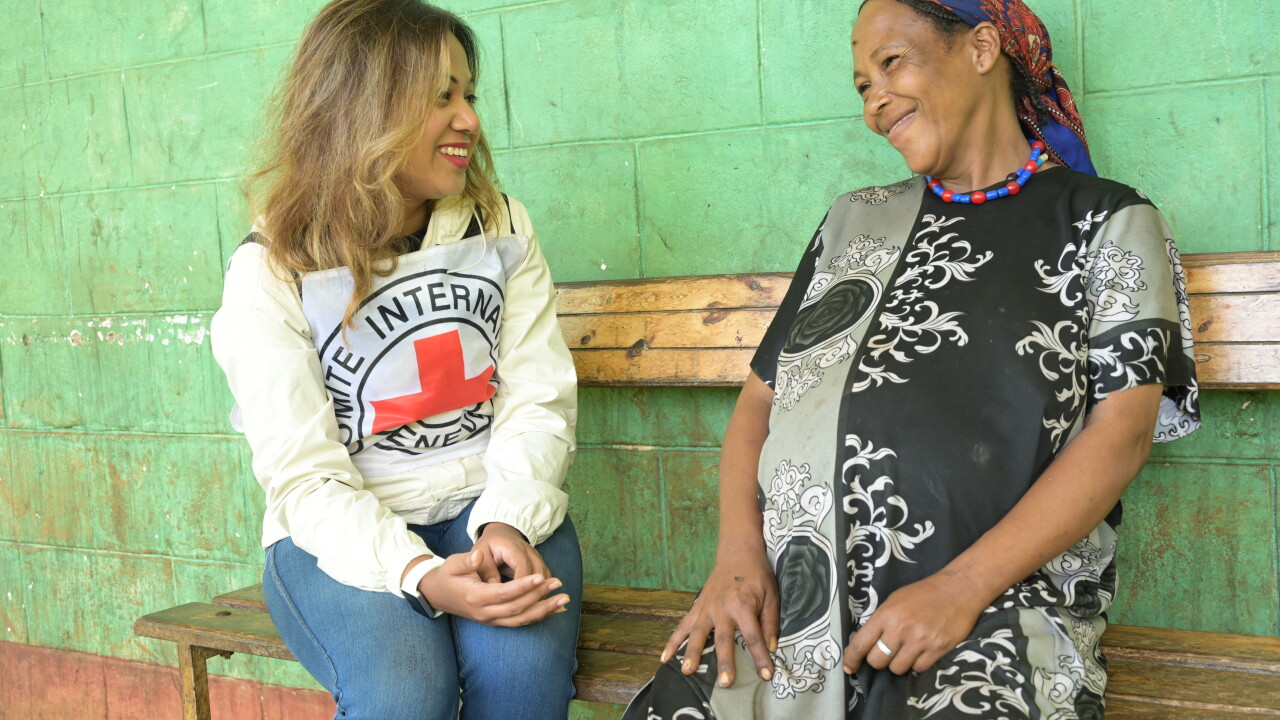
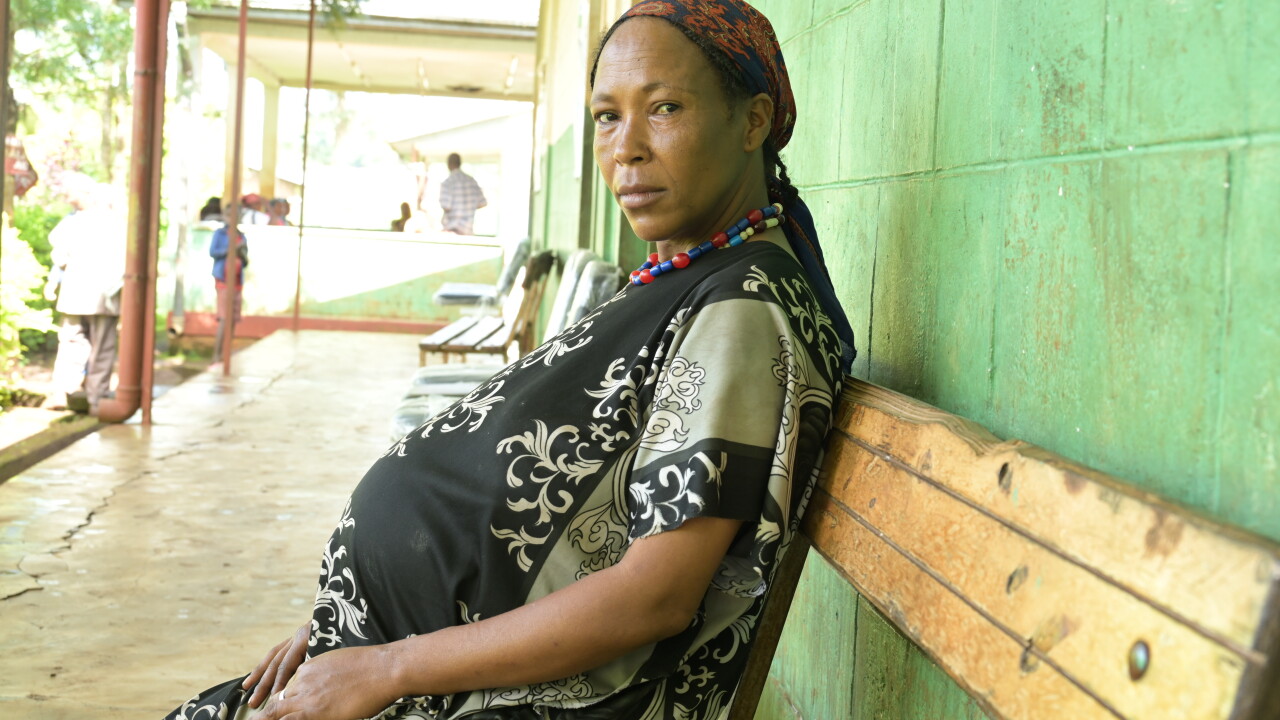
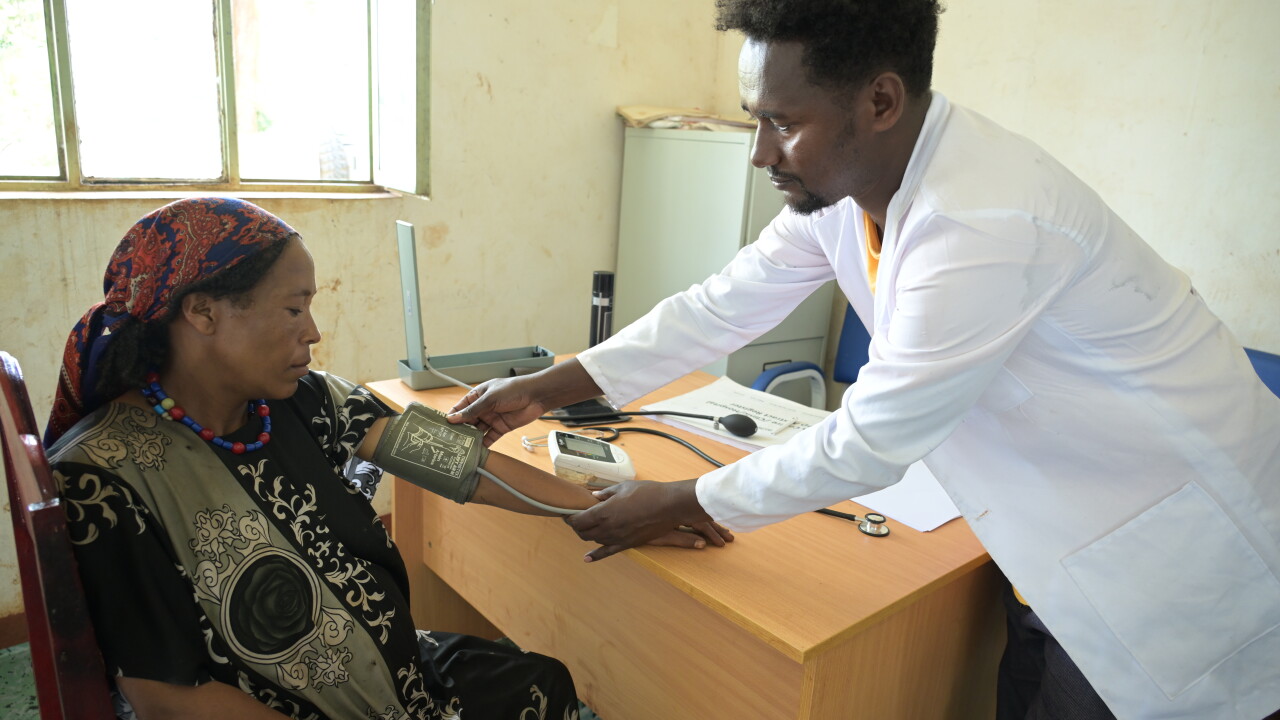
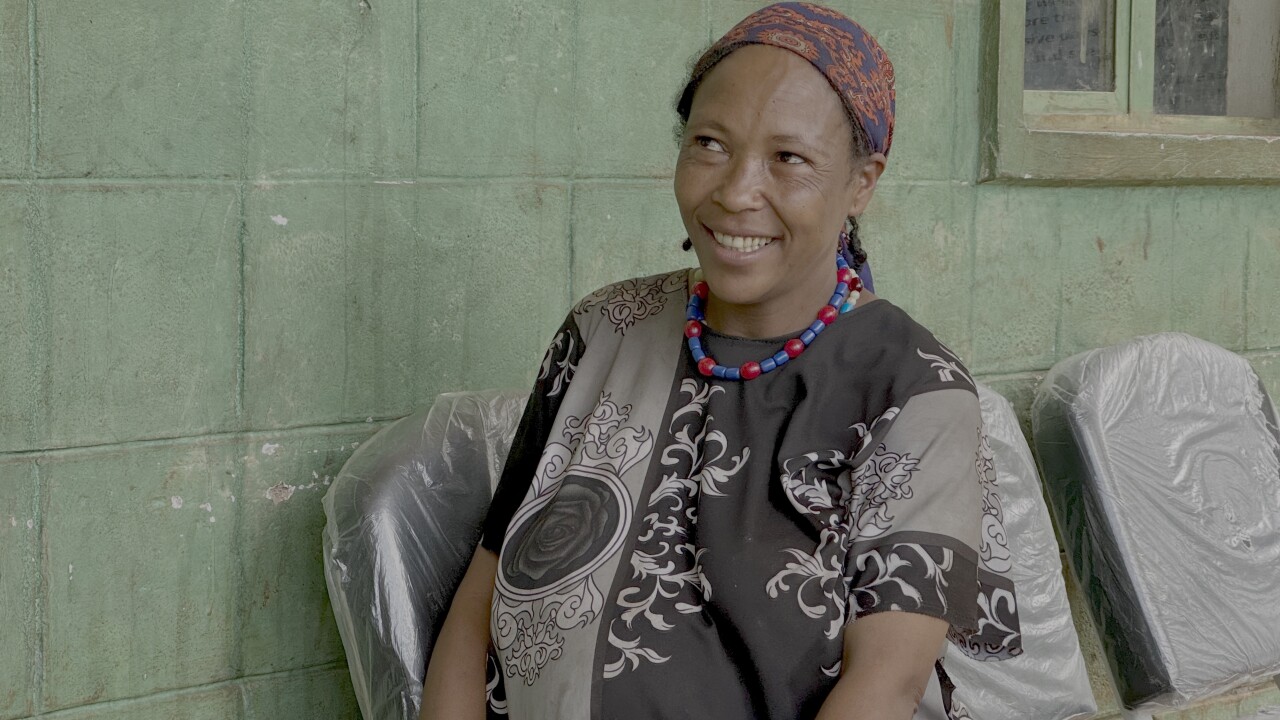
Asiya Abdela is a farmer in Arma Gunfi, a small village cut off because of the conflict. It lies deep in the West Wellega zone, over 700 kilometres away from the capital Addis Ababa. While waiting for her prenatal care appointment at the Gunfi primary health care centre, she told us how the conflict has impacted access to healthcare and the terrible consequences it has had on the community:
“In the past we have suffered a lot from lack of health services. Many pregnant women have died in our village due to lack of medicine and healthcare services,” she said.
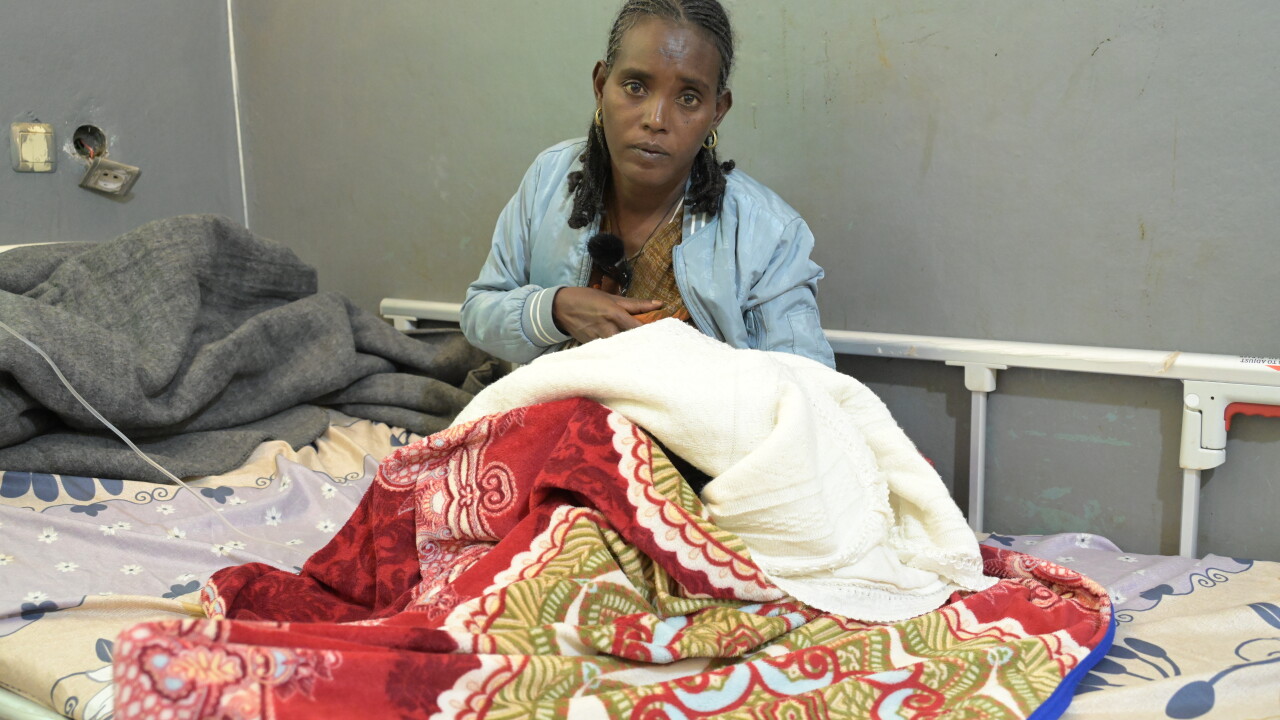
The director of the health center in Arma Gunfi, Gemechis Emana added that, “the health center had been out of operation for a year and eleven months due to the conflict in the area, and as a result, local people have developed many health problems. We have been sending as many pregnant women to the Begi hospital as possible, using donkey carts to save their lives”.
Many communities live on either side of a frontline, or in places where there are ever-changing frontlines, meaning that frequent skirmishes make movements particularly difficult and dangerous.
Sanbato Karkarsa lives in Begi, less than 10 kilometres from Gunfi. He remembers the day he almost died. “I was shot and wounded due to hostilities in our district. It was a very difficult time, the road was blocked. People like me who were wounded, including a pregnant woman, were in a desperate situation. Begi hospital was destroyed and there was not enough medicine and functioning medical equipment.”
For many years, the ICRC has been working in the area, engaging directly with all those involved in the fighting to ensure its teams can access the most affected communities, regardless of who they are or where they live.
Arpita Mitra, the ICRC delegate in the West Wellega and Kellem Wellega zones, has worked closely with the communities for 18 months. She underlines how harsh the situation remains for them in the area. “The conflict has also ravaged existing infrastructure, be it schools, health facilities, water points, increasing the humanitarian consequences for communities that are stranded between both sides of the conflict.”
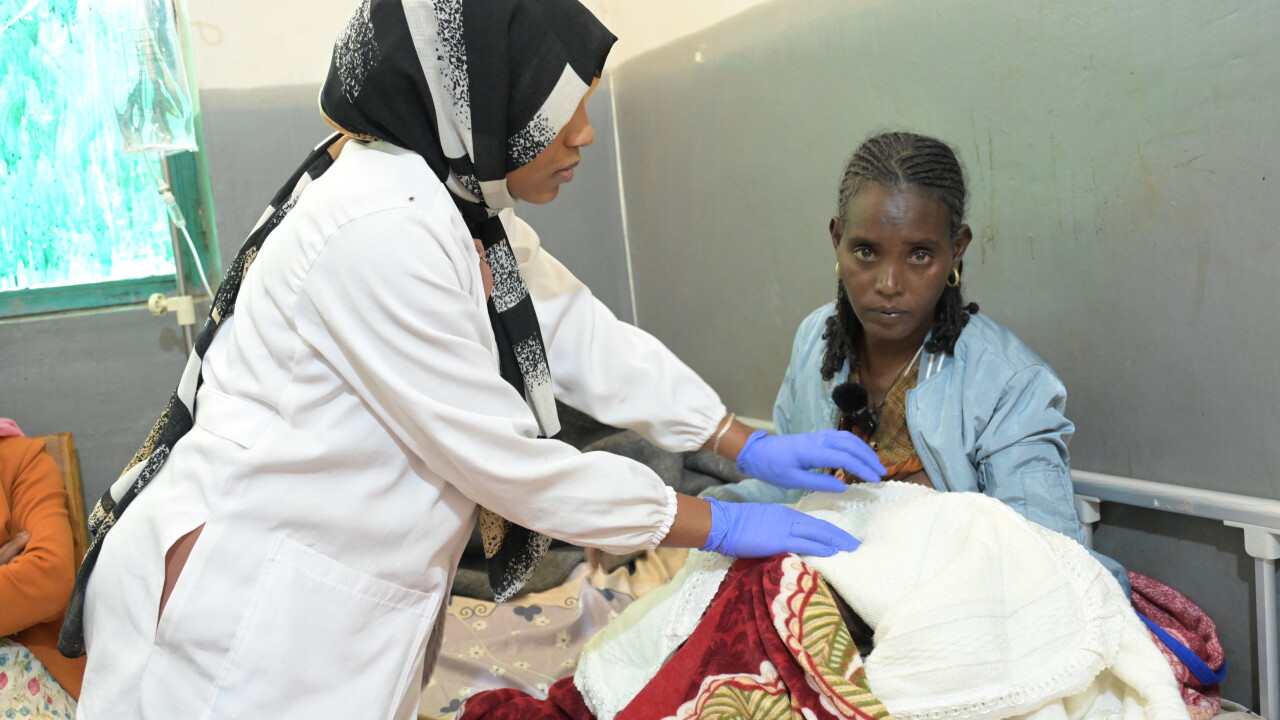
As part of the organisation’s approach in remote conflict-affected areas of Ethiopia, the ICRC teams in Oromia support health facilities by providing much needed medical supplies and training to health professionals. As a result, services have resumed at several hard-hit sites, with a particular focus on maternal and child healthcare. In West Wellega health facilities, staff have been able to help more than 50,000 people, handling over 100 patients a day.
Facts & Figures
From January to June 2025, ICRC teams in the Oromia region provided free health services to communities affected by the conflict, through support to 20 health facilities, including:
- Curative care in primary health centers for 103,000 patients
- Medical treatment in hospitals for 758 wounded or sick patients referred from the primary health centers
- Safe deliveries and management of complications for 978 pregnant women
- Renovation of health centers in remote conflict-affected areas
- Surgical care in supported hospitals for 570 weapon wounded patients
- Medical treatment for over 210 survivors of sexual violence
During the same period, the ICRC also organized trainings for Oromia health professionals:
- Three surgeons from hospitals in Oromia trained on trauma and reconstructive surgery in collaboration with the Alert Hospital in Addis Ababa
- 16 other health staff trained on basic emergency care
For further information, please contact:Zewdu Ayalew in Addis Ababa, +251 911 614 336 – zayalew@icrc.org
Or our media team in Geneva press@icrc.org
On the ground in 100 countries, the International Committee of the Red Cross has one humanitarian mission: to promote respect for the laws of war, international humanitarian law and help people caught up in armed conflicts and violence.
SHOTLIST
Length: 8:08
Location: Oromia, Ethiopia
Date Of Filming: 3- 7 July 2025
Copyright: ICRC access all
On Screen Credit: ICRC written or logo
00:00 - 00:06 Wide shot of the landscape in West Wellega, Oromia region.
00:07 - 00:25 Various shots of burnt vehicles on the roadside because of the conflict.
00:26 - 00:46 Various shots of Gunfi Primary Health Centre in West Wellega, Oromia region.
00:47 - 01:13 Various shots of patients at Gunfi Primary Health Centre
SOUNDBITE Asiya Abdela, Patient – Gunfi Primary Health Centre
01:14 - 01:48 ‘In the past we have suffered a lot from lack of health services. Many pregnant women have died in our village due to lack of medicines and health services. Today, we don't have these problems. We receive proper health services. Even if medicine is in short supply, our health center staff arranges for us to go to Begi Hospital for treatment. With the support of the ICRC, we receive free treatment.’
01:49 - 02:02 Wide shot of Asiya Abdela walking at Gunfi Primary Health Centre.
02:03 - 02:34 Various shots of Asiya Abdela being attended to by a doctor at Gunfi Primary Health Centre.
SOUNDBITE Dr. Gemechis Emana, Medical Director – Gunfi Primary Health Centre
02:35 - 03:05 ‘Arma Gunfi, Gemechis Emana added that, “the health center had been out of operation for a year and eleven months due to the conflict in the area, and as a result, local people have developed many health problems. We have been sending as many pregnant women to the Begi hospital as possible, using donkey carts to save their lives.’
03:06 - 03:45 Various exterior shots of Begi hospital
SOUNDBITE Sanbato Karkarsa, Patient – Begi Hospital
03:46 - 04:31 ‘I was shot and wounded due to hostilities in our district. The bullet hit me in the right area of my chest. I was treated at Begi hospital. It was a very difficult time, the road was blocked. People like me who were wounded, including a pregnant woman, were in a desperate situation. Begi hospital was destroyed and there was not enough medicine and functioning medical equipment. We had a lot of difficulty in getting proper medical services.’
04:32 - 05:11 Various shots of Sanbato Karkarsa being attended to at Begi hospital.
SOUNDBITE Dr. Ephrem Tamiru, Medical Director – Begi Hospital
05:12 - 05:59 ‘In the last two years, although our hospital staff were highly motivated, it was difficult to provide health services properly as many of the medical equipment in the
hospital was destroyed due to the conflict. Our district is located more than 700 kilometers away from the capital, so transporting medicine was very difficult due to security issues along the road.’
06:00 - 06:25 Various walking shots of Dr Ephrem Tamiru at Begi hospital.
06:26 - 07:05 Various shots of Dr Ephrem Tamiru attending to patients at Begi hospital.
SOUNDBITE Arpita Mitra, ICRC Field Team Leader
07:06 - 07:42 ‘The conflict in Oromia has deeply affected people's daily lives in West Wellega, a community which was known for their thriving markets and fertile farmlands. Today, they are suffering in terms of their basic access to services, their own life, and personal integrity. At the same time, the conflict has also ravaged existing infrastructure, be it schools, health facilities, water points, increasing the humanitarian consequences for communities that are stranded between both sides of the conflict.’
07:43 - 08:08 Various shots of the pharmacy and medicines.
Ends