
465 Results for ""
ICRC President to meet Syrian government
02-04-2012
The International Committee of the Red Cross' Middle East spokesperson Hicham Hassan made the following statement on 2nd April 2012:
For content before 2016 please go to our archives portal
Visit Archives Portal
ICRC preparing for the release of 10 persons held by the FARC-EP
30-03-2012
On Monday April 2nd the release of 10 soldiers and police members held by the FARC-EP will start. The men have been held for up to 14 years without contact with the outside world, The International Committee of the Red Cross is facilitating this operation after agreement between the parties involved.
For content before 2016 please go to our archives portal
Visit Archives Portal
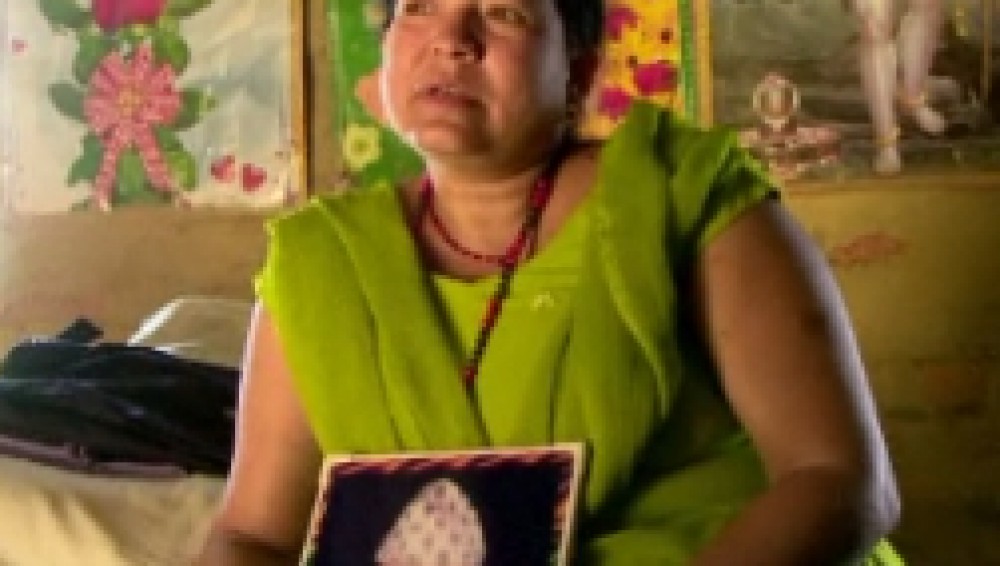
Int Womens Day - ICRC Report from Nepal
06-03-2012
Women from opposing sides of the conflict unite to find their missing husbands. When the armed conflict in Nepal ended in 2006, some 17,000 people were dead and 3,100 reported to the ICRC as missing by their families. Today, while the fate of many is known, over 1,400 people are still on ICRC's list of missing persons.
For content before 2016 please go to our archives portal
Visit Archives Portal
ICRC and the Syrian Arab Red Crescent Enter Baba Amr
02-03-2012
The International Committee of the Red Cross'' Middle East spokesperson Hicham Hassan made the following statement on 2nd March 2012.
For content before 2016 please go to our archives portal
Visit Archives Portal
ICRC and Syrian Arab Red Crescent not allowed to enter Baba Amr
02-03-2012
The International Committee of the Red Cross and the Syrian Arab Red Crescent teams have not been allowed to enter the neighbourhood of Baba Amr in Homs.
For content before 2016 please go to our archives portal
Visit Archives Portal
ICRC receives green light to access Baba Amr
01-03-2012
The International Committee of the Red Cross''s spokesperson Carla Haddad made the following statement on 1st March 2012
For content before 2016 please go to our archives portal
Visit Archives Portal
ICRC steps up aid as supplies reach Hama, western Syria
27-02-2012
Geneva (ICRC) - ICRC spokesperson Carla Haddad Mardini confirms that today aid has reached Hama, a town in west central Syria badly affected by the fighting, "they have food for around 12,000 people, they have blankets, hygiene kits, the food should last for one month" says the ICRC.
For content before 2016 please go to our archives portal
Visit Archives Portal
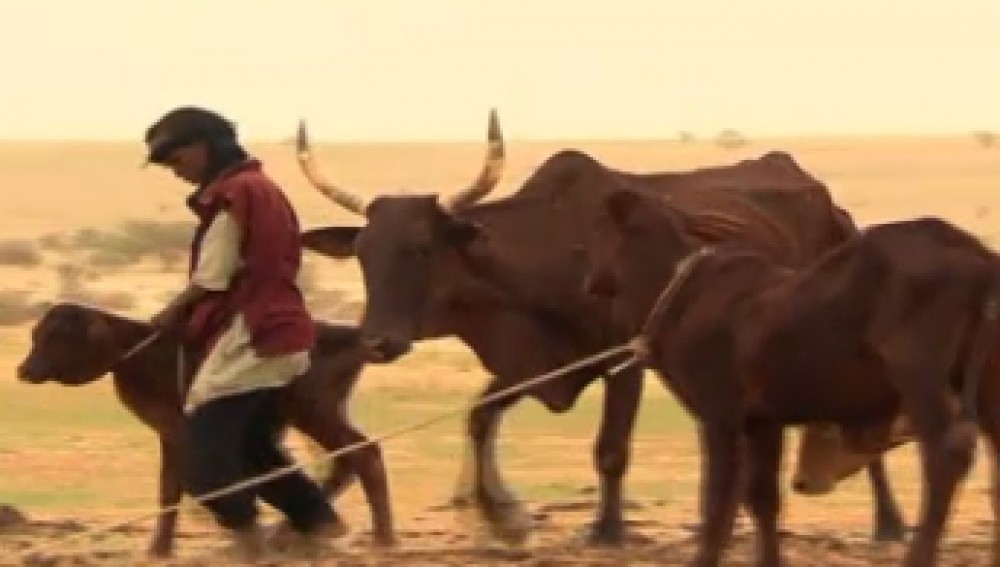
ICRC: 10 million Euros to avert humanitarian crisis in Sahel
27-02-2012
On 28th February, the International Committee of the Red Cross launches an appeal for an additional 12.3 million CHF (10 million Euros) to avert a major humanitarian crisis in the Sahel region.
For content before 2016 please go to our archives portal
Visit Archives Portal
SYRIA : ICRC and Syrian Arab Red Crescent in Homs
24-02-2012
The Syrian Arab Red Crescent (SARC) volunteers currently in Homs have started evacuating women and children from Bab Amro, the neighbourhood most affected by the violence in the city. Both ICRC and SARC had arrived to Homs early afternoon today and have been negotiating with the Syrian authorities and the opposition in order to evacuate all persons in need of help without exception.
For content before 2016 please go to our archives portal
Visit Archives Portal
SYRIA: Halt in fighting essential to allow humanitarian relief
24-02-2012
The ICRC is calling on all sides to agree to a halt in the fighting for two hours each day to allow humanitarian assistance in. The Geneva based organisation is negotiating with the Syrian authorities and with the opposition to try to get agreement to this daily pause in the fighting. " What we want is an immediate halt in the fighting so we can access Homs and the other affected areas to deliver much needed humanitarian aid," says ICRC spokesperson Carla Haddad.
For content before 2016 please go to our archives portal
Visit Archives Portal